
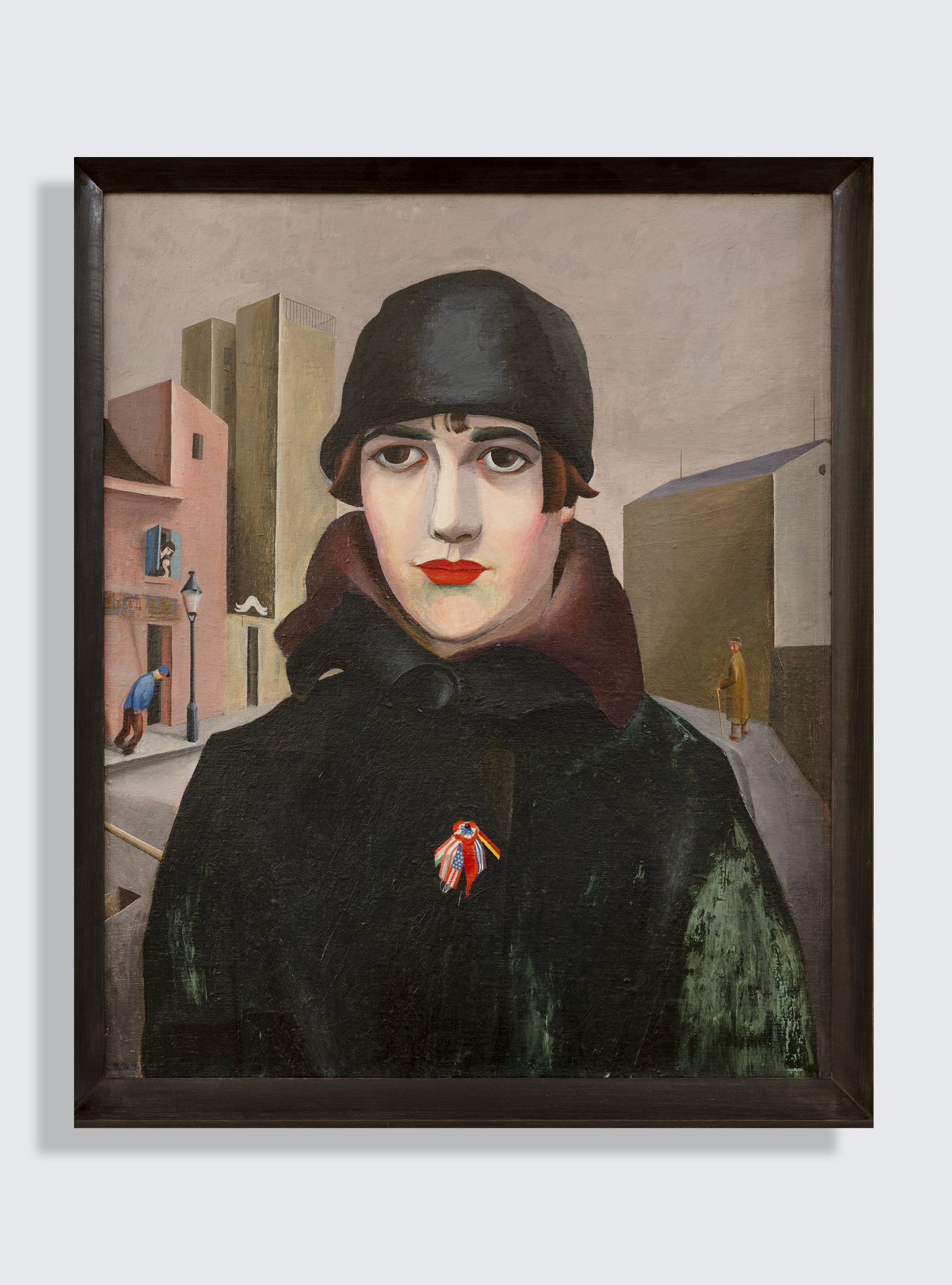
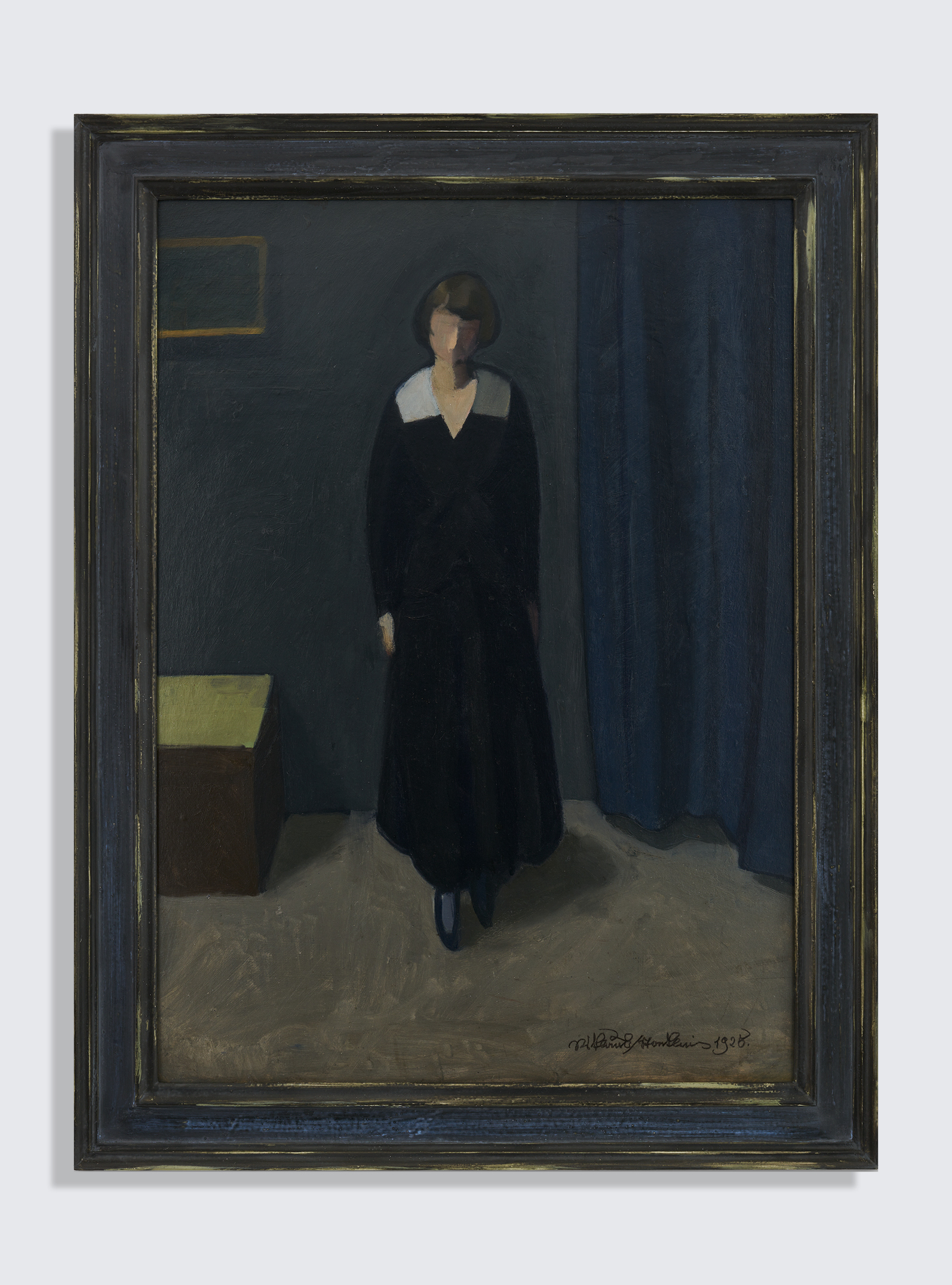
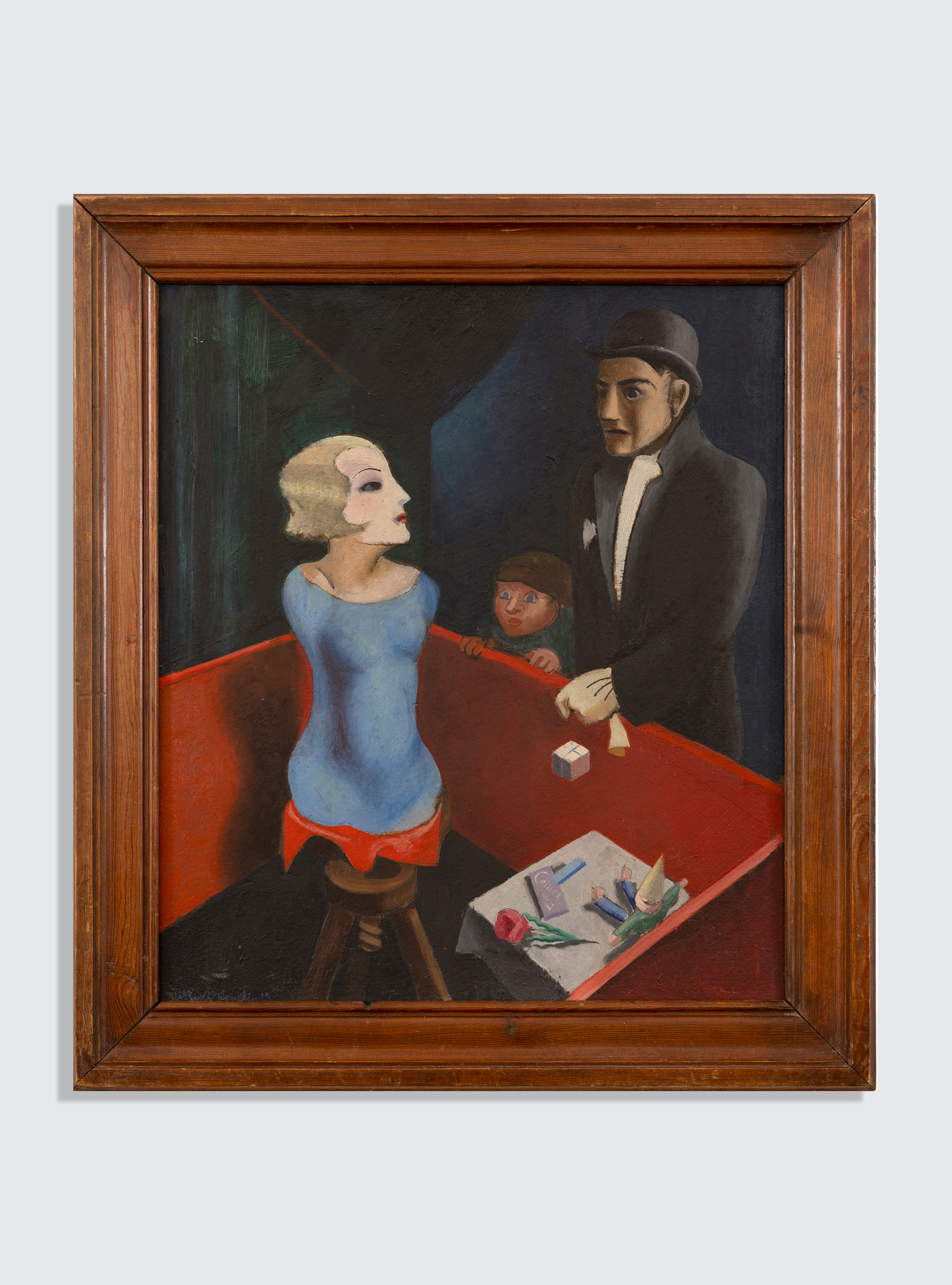
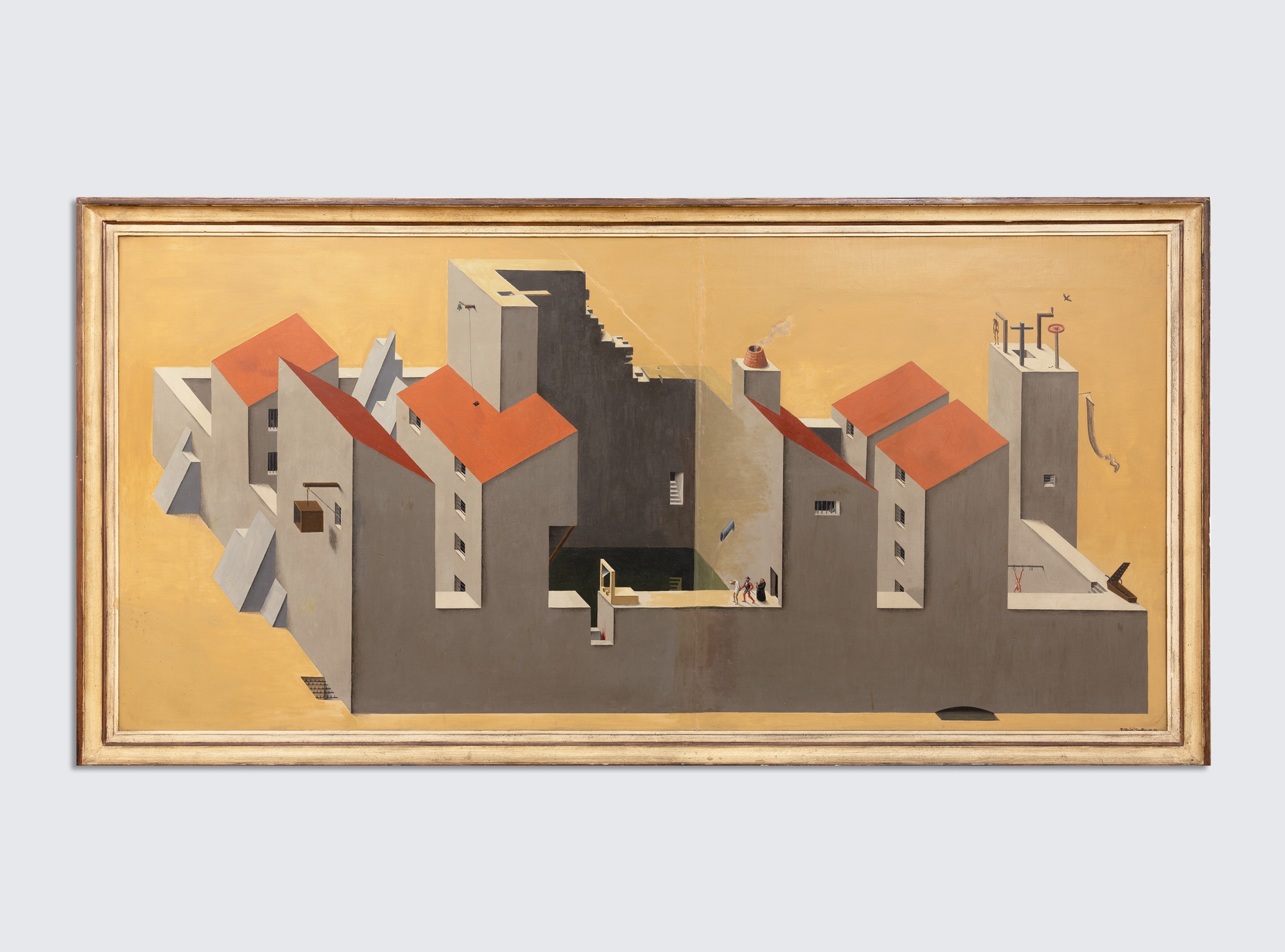
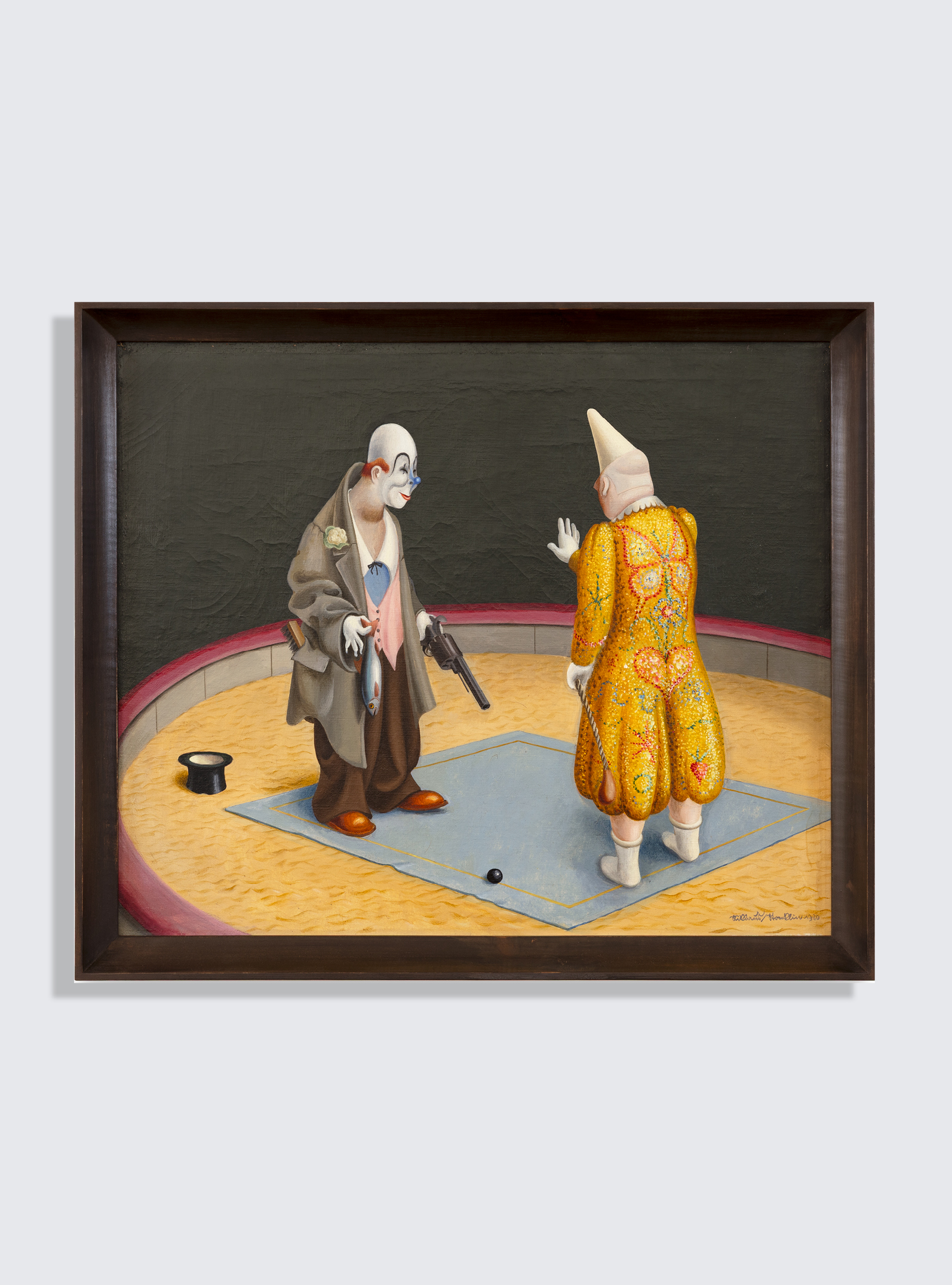
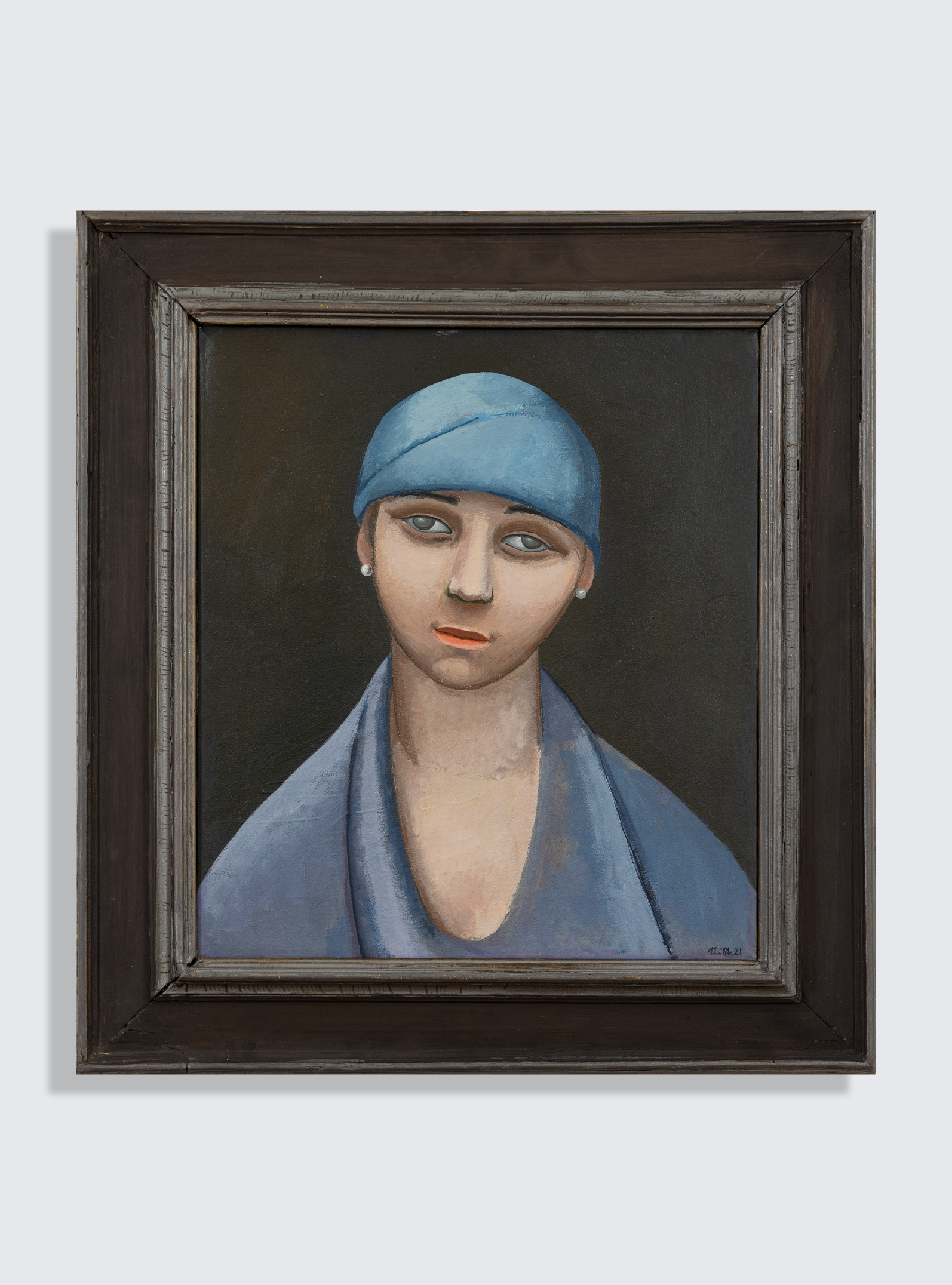
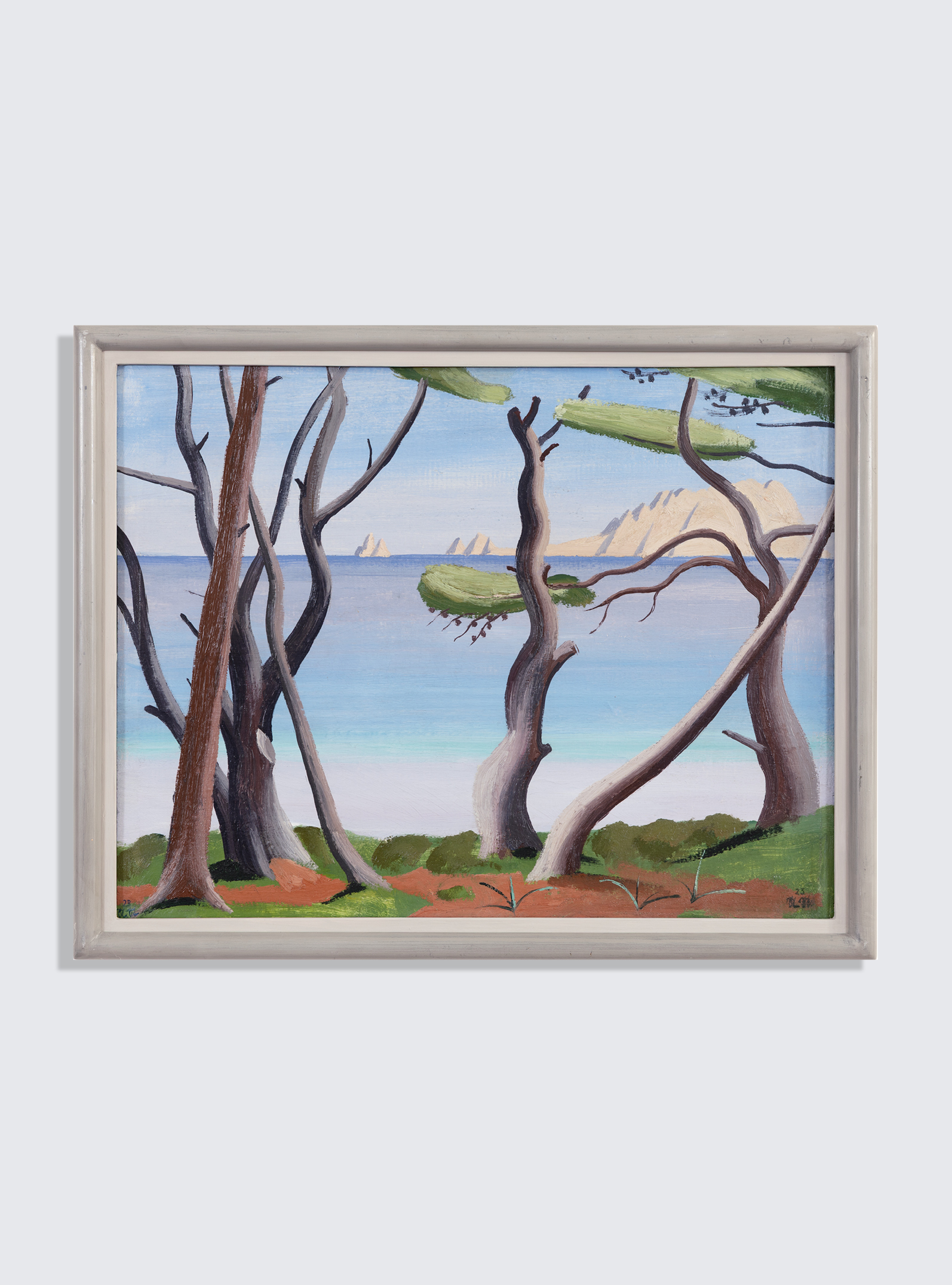
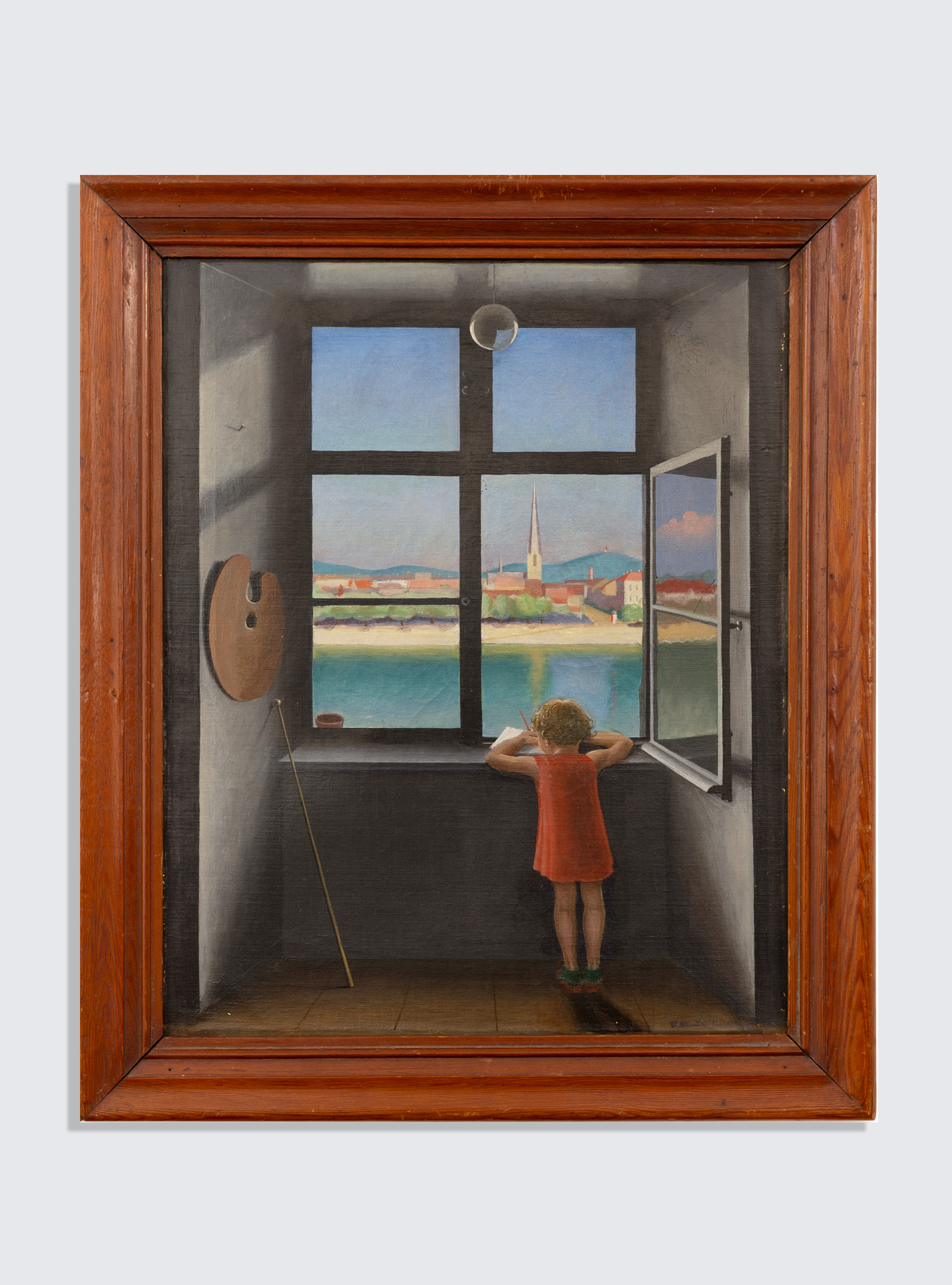
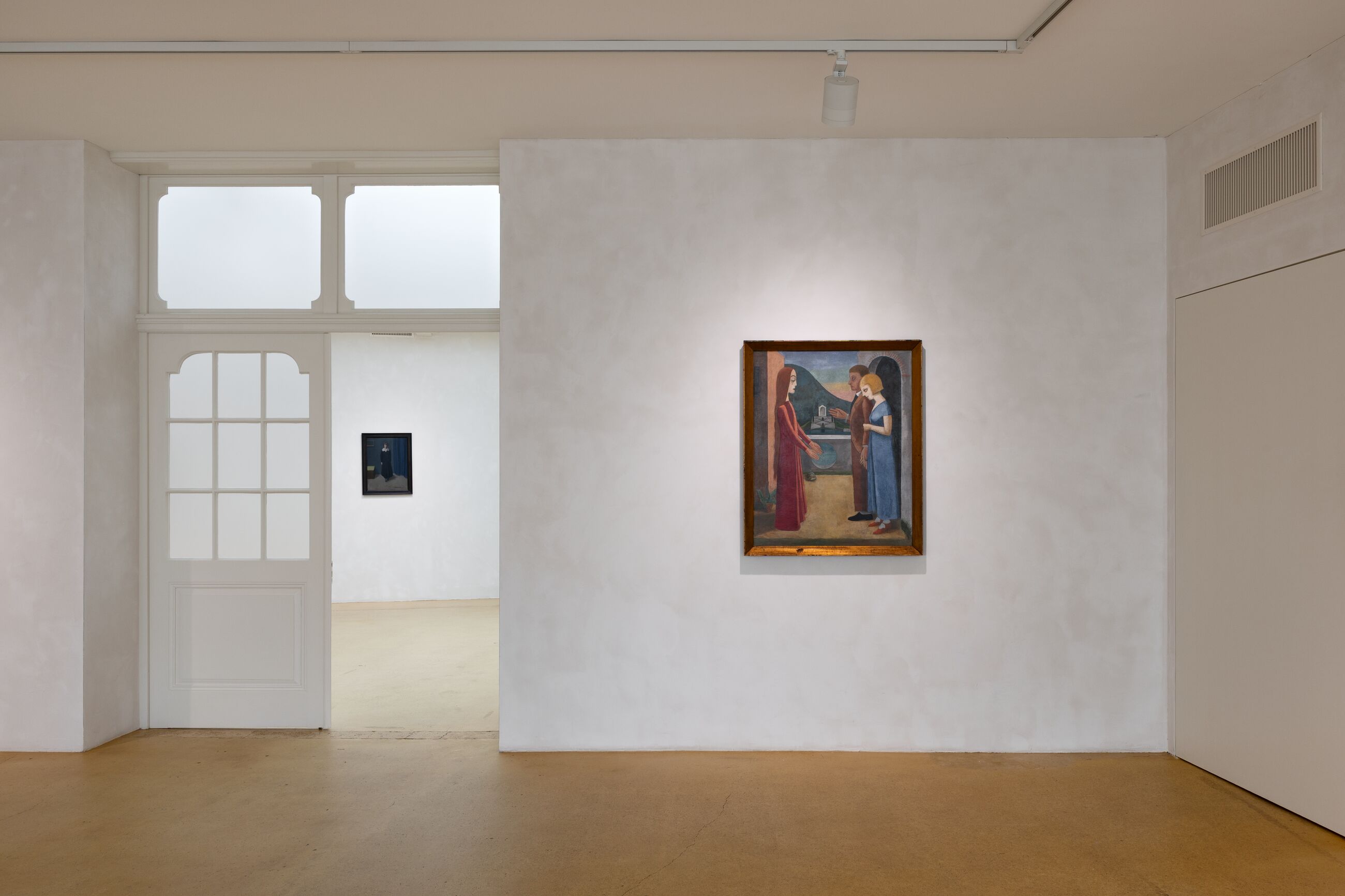
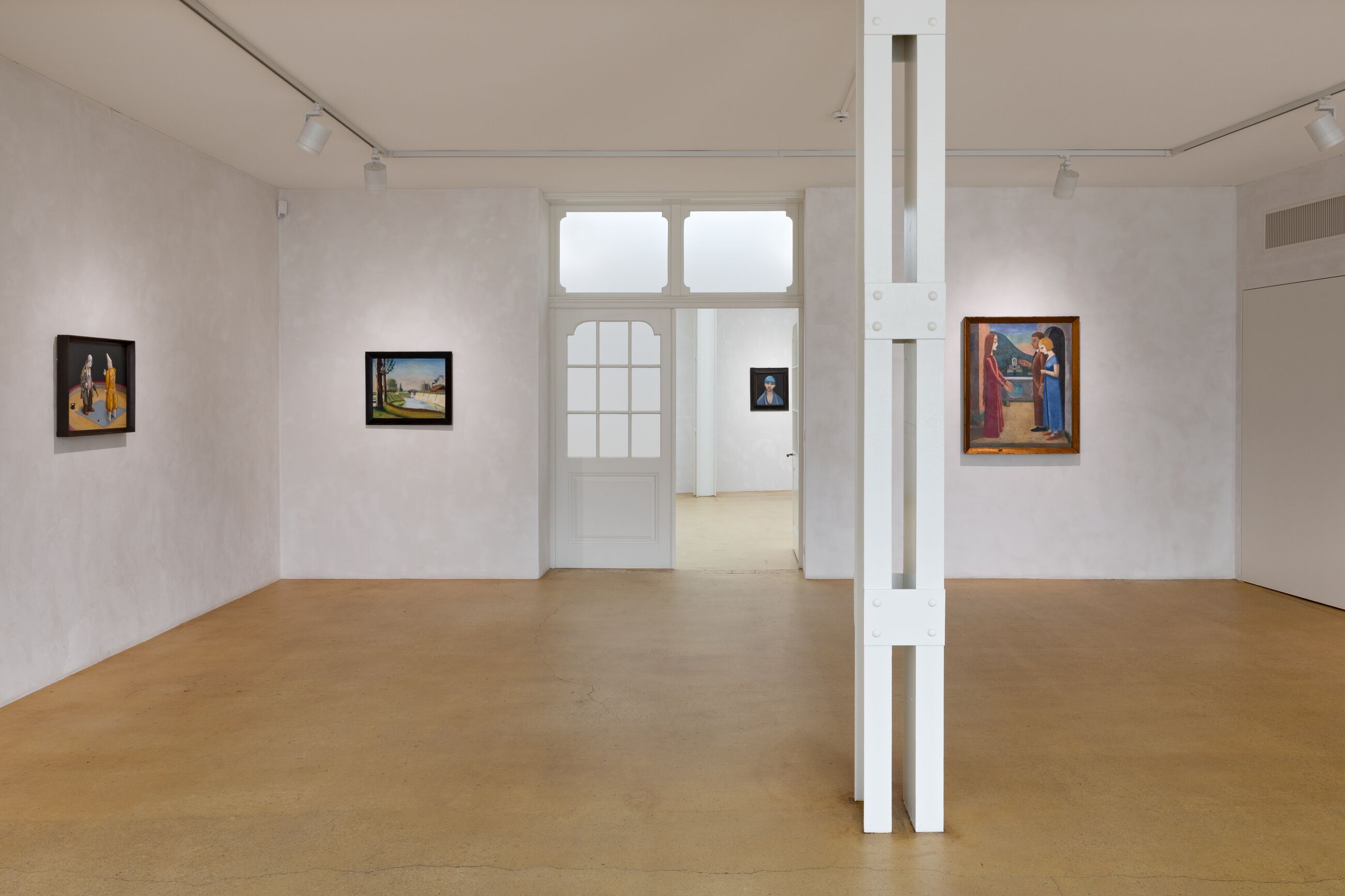
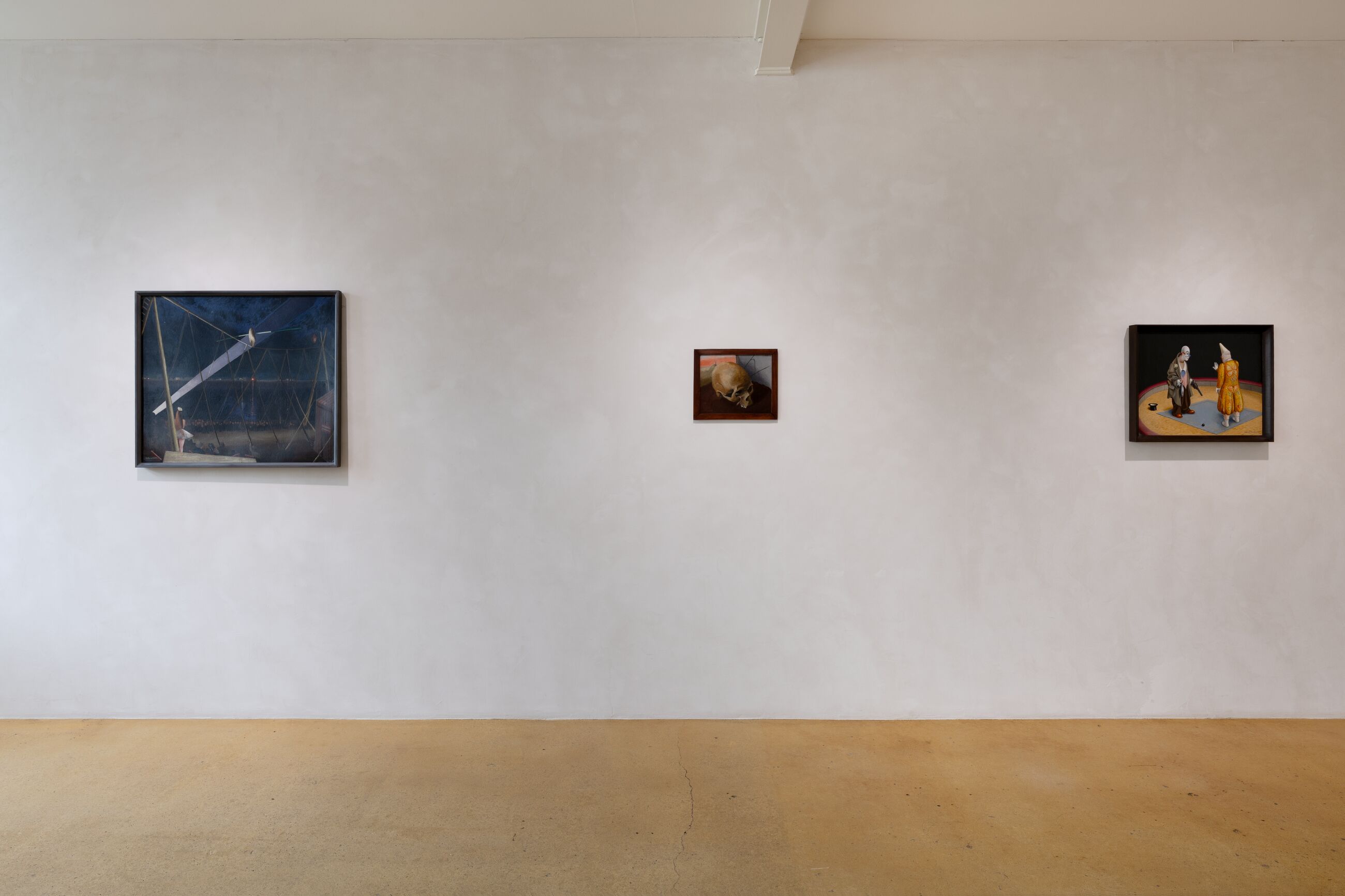
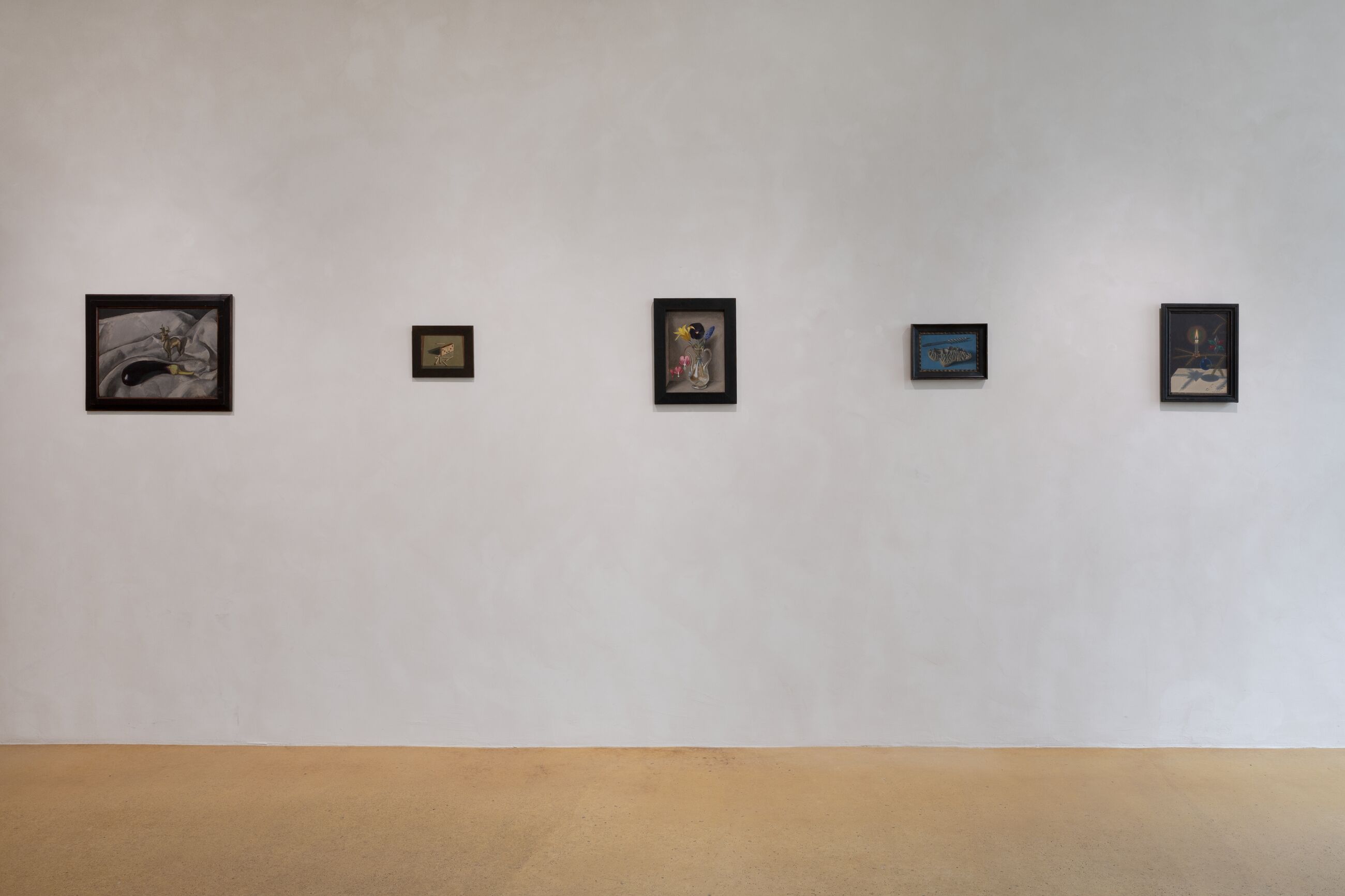
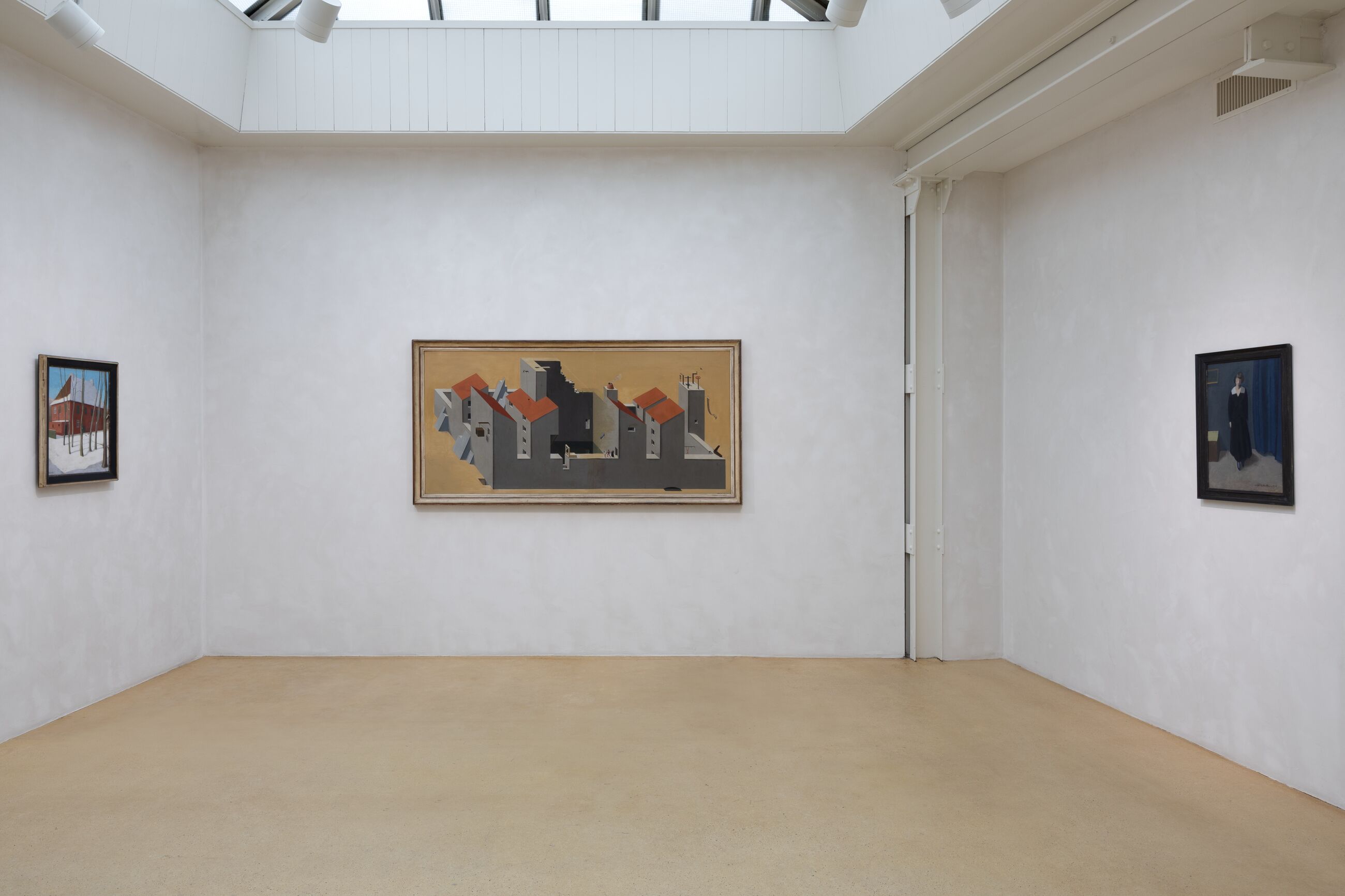
Focusing on the 20th-century Swiss artist Niklaus Stoecklin (1896–1982), the gallery is pleased to presents a group of paintings and drawings from the 1920s to the 1970s, including several works that have rarely been shown in public before.
Curated by Martin Schwander, traces Stoecklin’s artistic development from the coolly detached figuration of the interwar period to the diaphanous luminosity of his late work. It follows on from group exhibitions on New Objectivity painting in Mannheim and Chemnitz last year, which highlighted Stoecklin’s contribution to this important modernist artistic movement.
Niklaus Stoecklin, born into a Basel merchant family, showed exceptional talent for drawing from an early age. At the beginning of 1914, he enrolled at the School of Applied Arts in Munich. When World War I broke out, he returned to Basel, where he continued his education for a short time at the Arts and Crafts School. Stoecklin did most of his military service in Ticino and the lake landscape there inspired him to create his first masterpiece, the painting ‘Casa rossa’ (1917). After his active service, Stoecklin established himself in Basel as a painter, graphic artist and book illustrator. In 1918, together with Alice Bailly, Fritz Baumann, his siblings Francisca and Fritz Stoecklin, Sophie Taeuber and others, he was one of the founding members of the short-lived artists’ association ‘Das Neue Leben (The New Life)’. The painting shown here, ‘Landscape near San Gimignano’ (1921), was created during a trip to Italy in the spring of 1921. The following year, Stoecklin married the bookseller Elisabeth Schnetzler.
Ruchenstein
1929 – 1930
‘Life is the only thing you can deal with independently. Be it people, animals, trees, stones, not to mention space.’—Niklaus Stoecklin
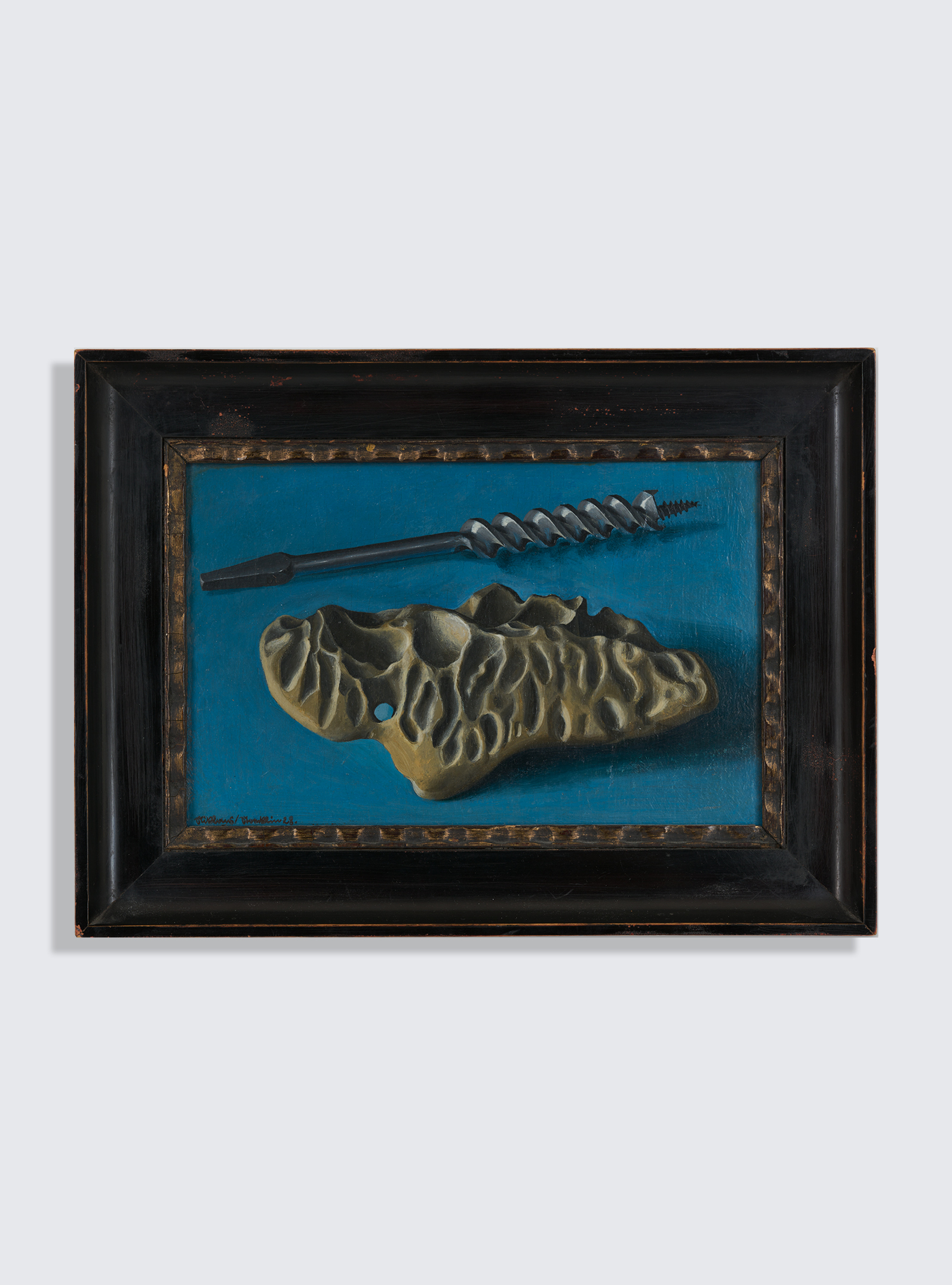
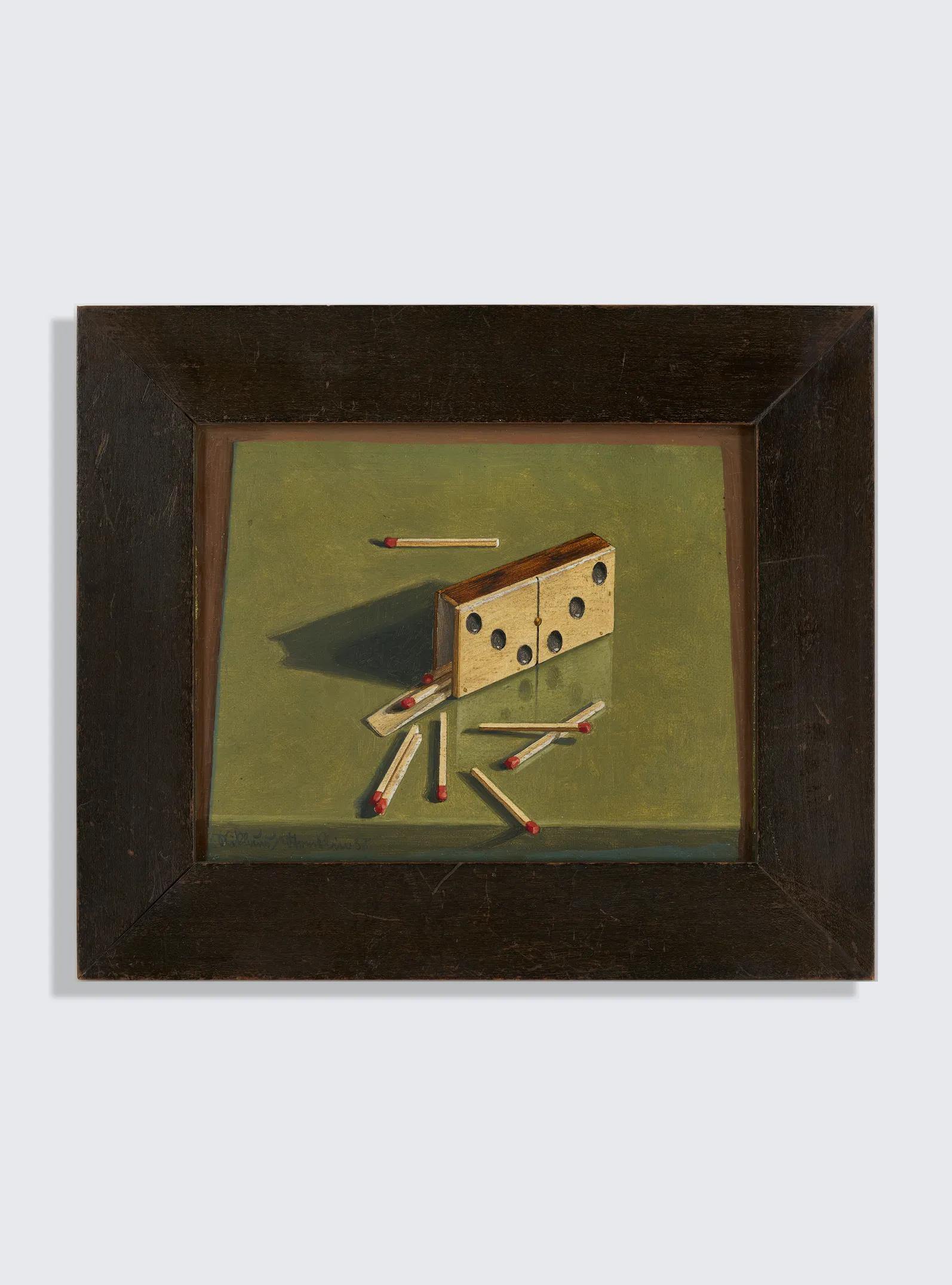
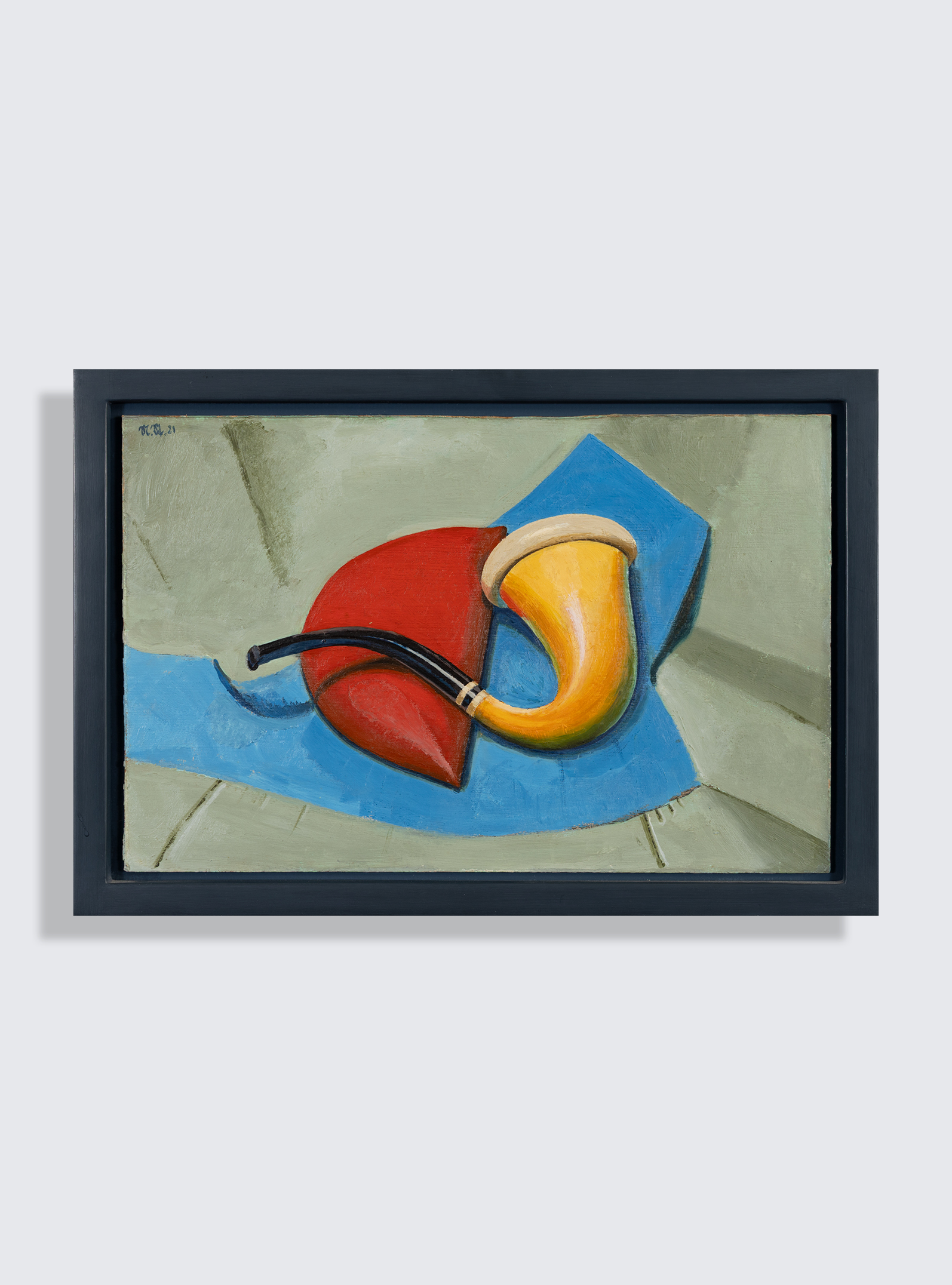
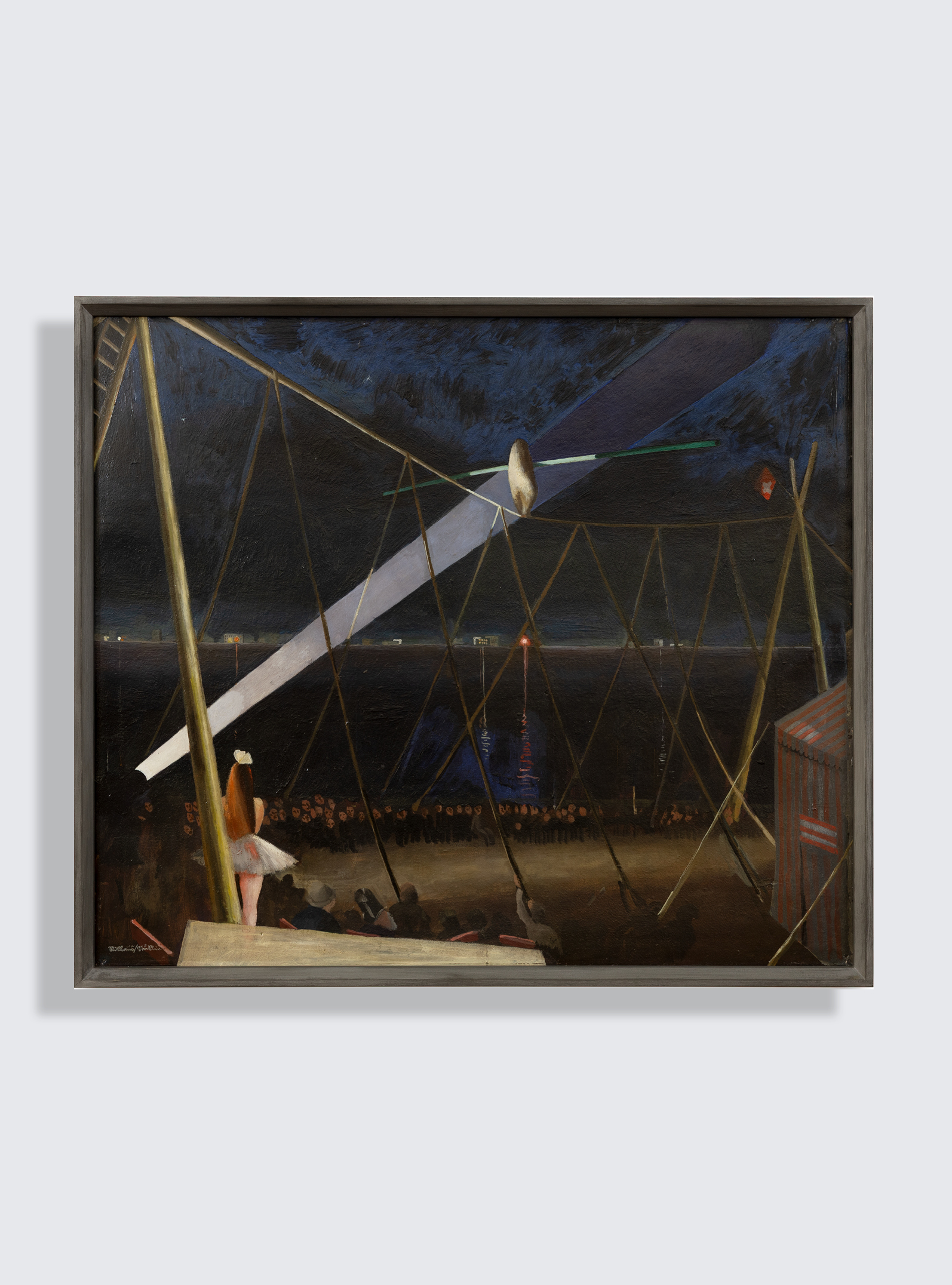
Installation View
1 / 5
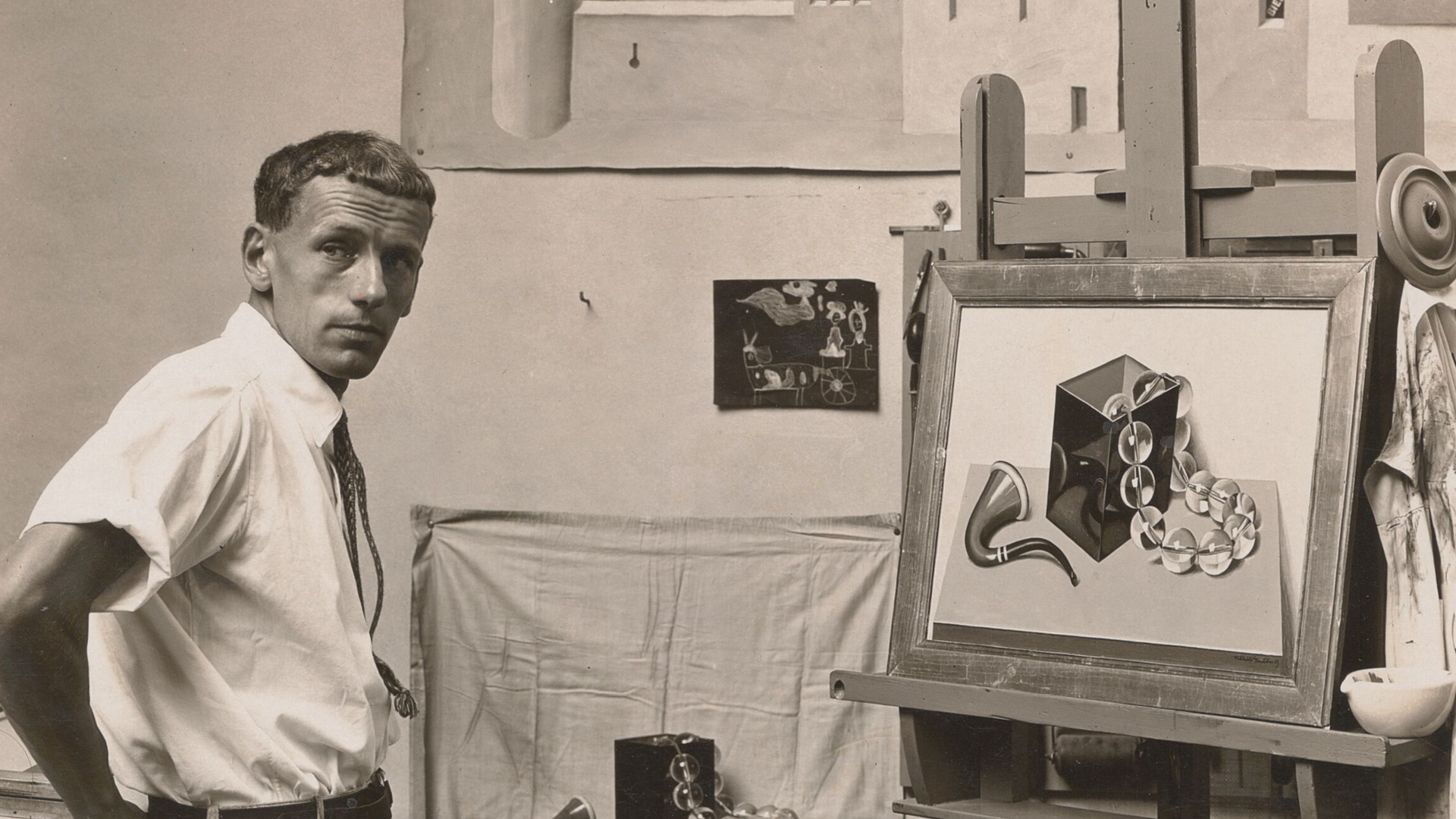
The artist in his studio in Riehen with the painting ‘Stillleben mit Glaskugeln’ (Still Life with Glass Spheres), 1929 © Niklaus Stoecklin Stiftung/ 2026, Pro Litteris, Zurich. Photo: Photographer unknown
About the Artist
Niklaus Stoecklin was born in Basel in 1896 and died in Riehen near Basel in 1982. After a brief period of artistic training in Basel and Munich, he exhibited his work for the first time at the Kunsthalle Basel in 1914. In 1925, he was the only Swiss artist to participate in Gustav Friedrich Hartlaub's legendary exhibition 'Die Neue Sachlichkeit (New Objectivity)' at the Kunsthalle Mannheim in Germany. Today, he is considered one of the leading representatives of New Objectivity and Magic Realism. He achieved international renown through his paintings but also through his work as a poster designer. His works can be found in the Kunstmuseum Basel, Switzerland; Museum für Neue Kunst in Freiburg im Breisgau, Germany; Musée Cantonal des Beaux-Arts in Lausanne, Switzerland; Museum of Modern Art in New York NY; Museum zu Allerheiligen in Schaffhausen, Switzerland; Kunst Museum Winterthur, Switzerland; and Kunsthaus Zürich, Switzerland, among others.
Related Content
Current Exhibitions


1 / 12