
Jack Whitten
The Numinous
30 September 2026 – 10 January 2027
Downtown Los Angeles
Dates
30 September 2026 – 10 January 2027
Materials
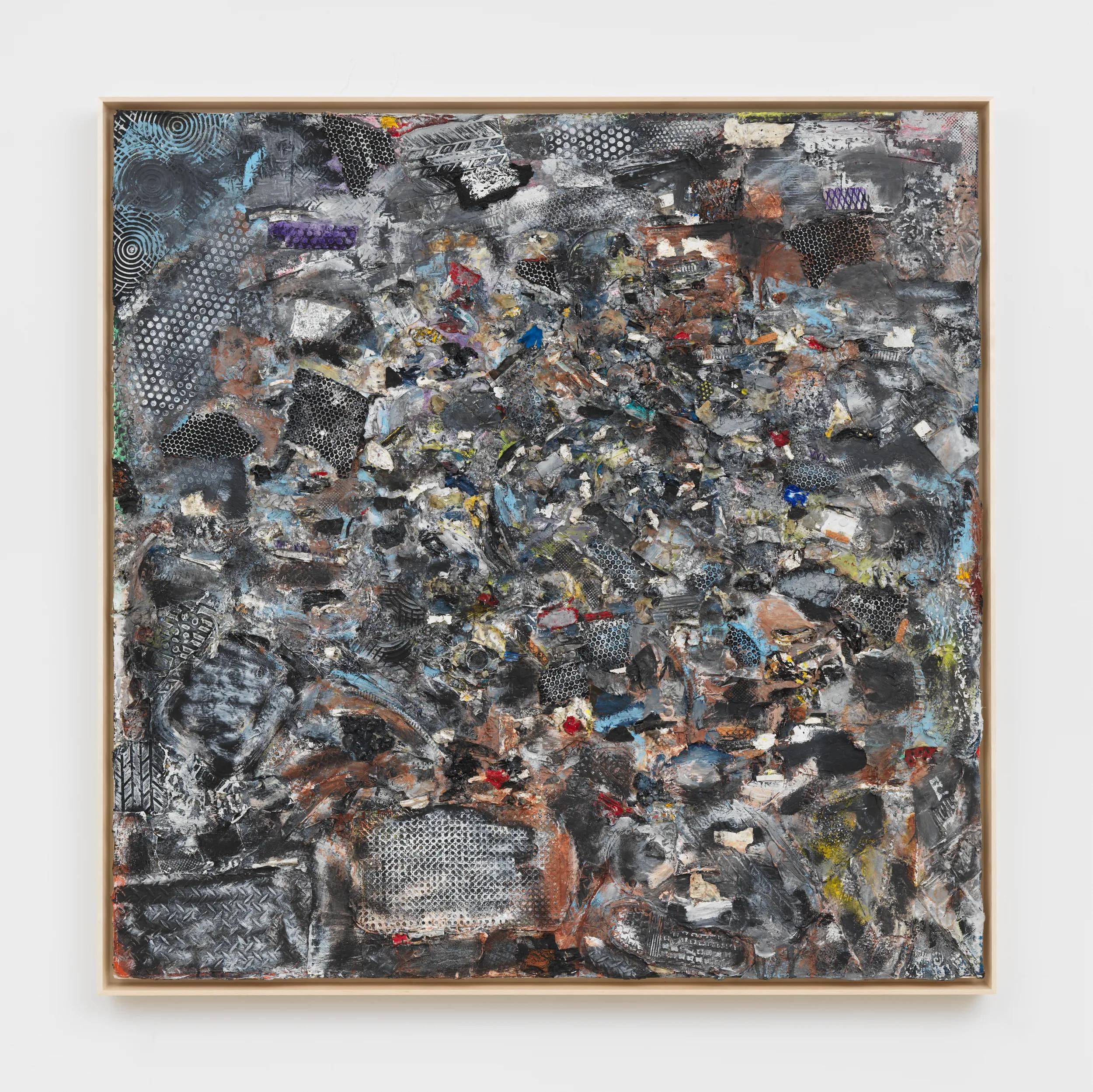
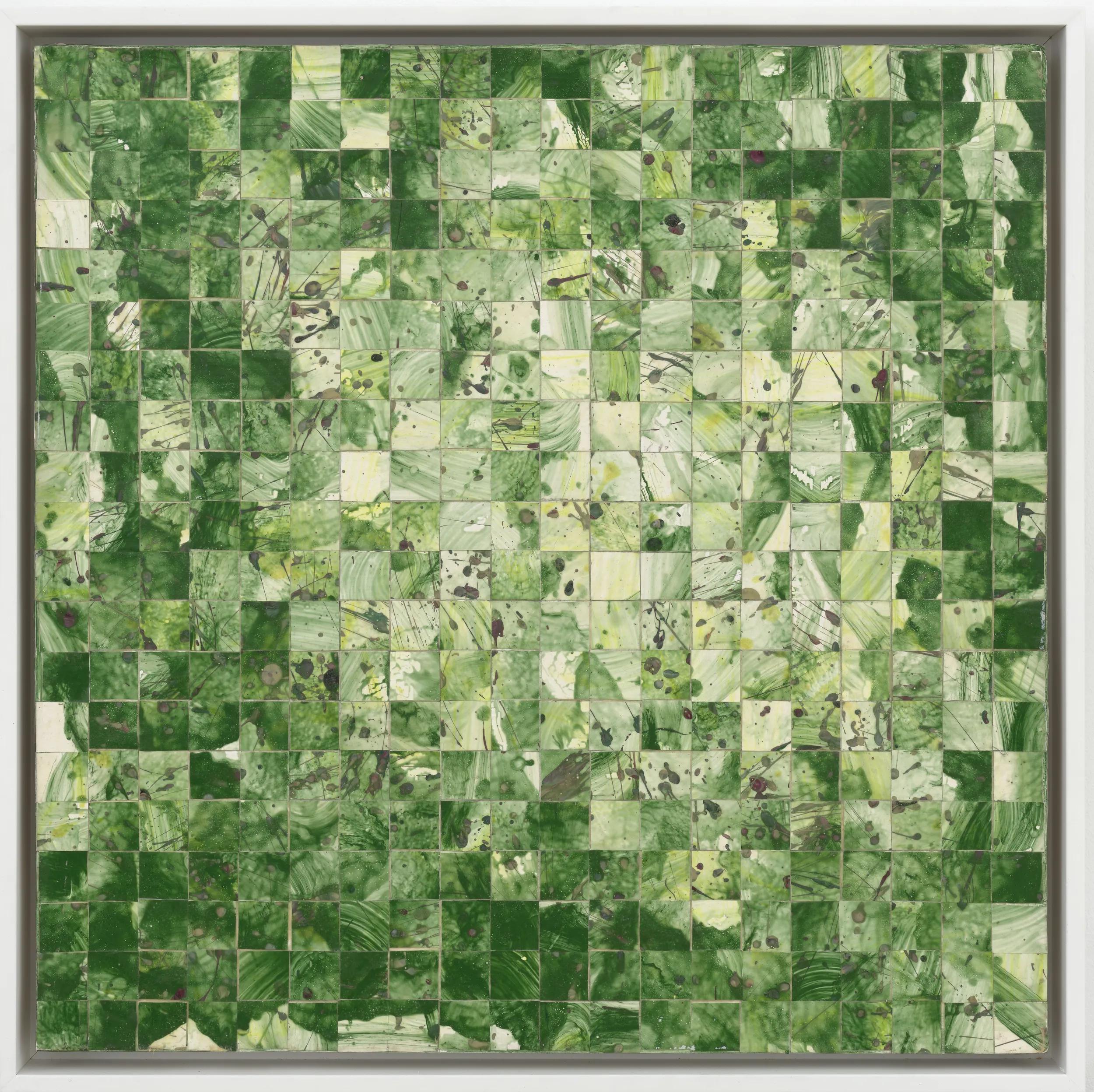
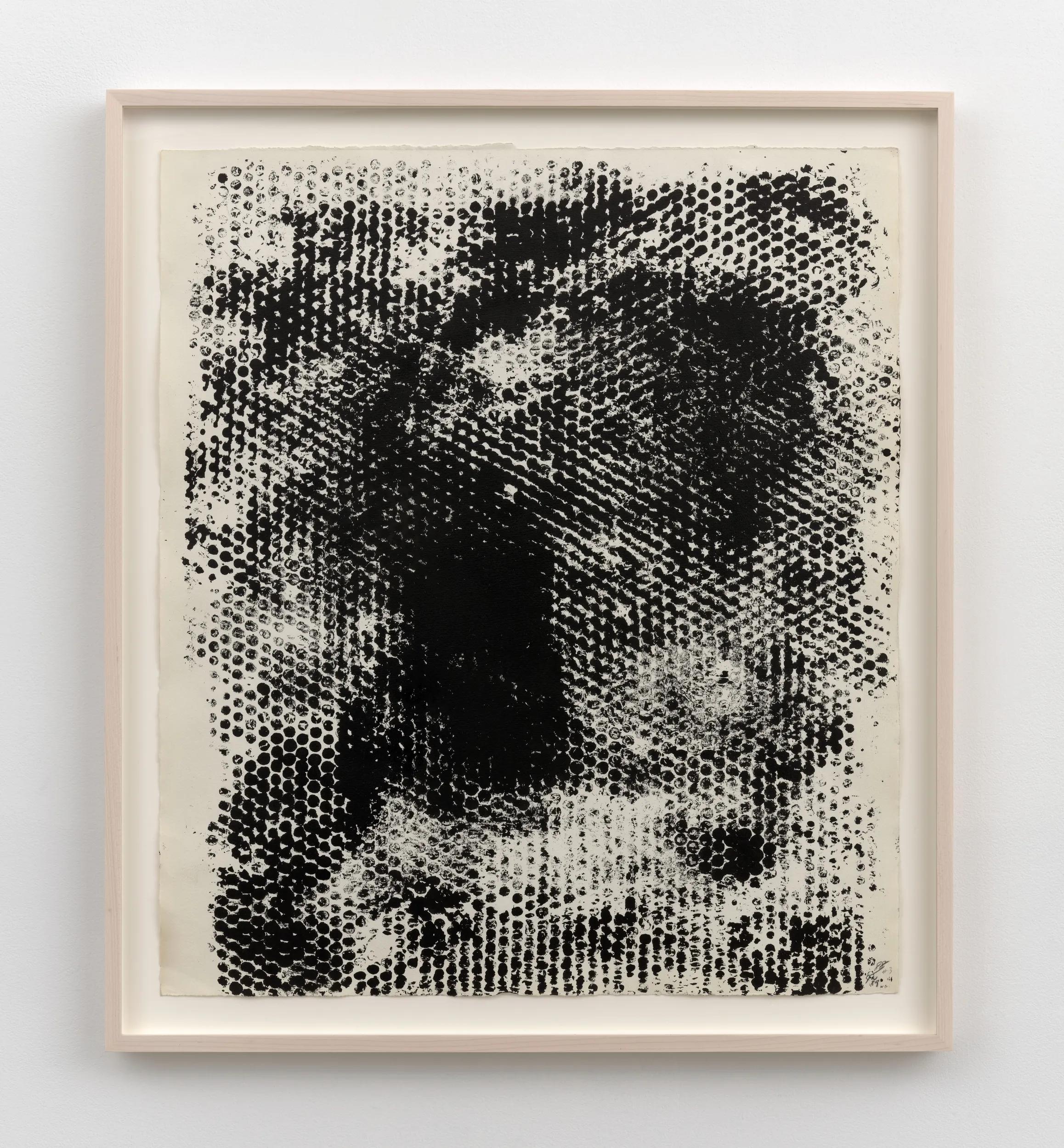
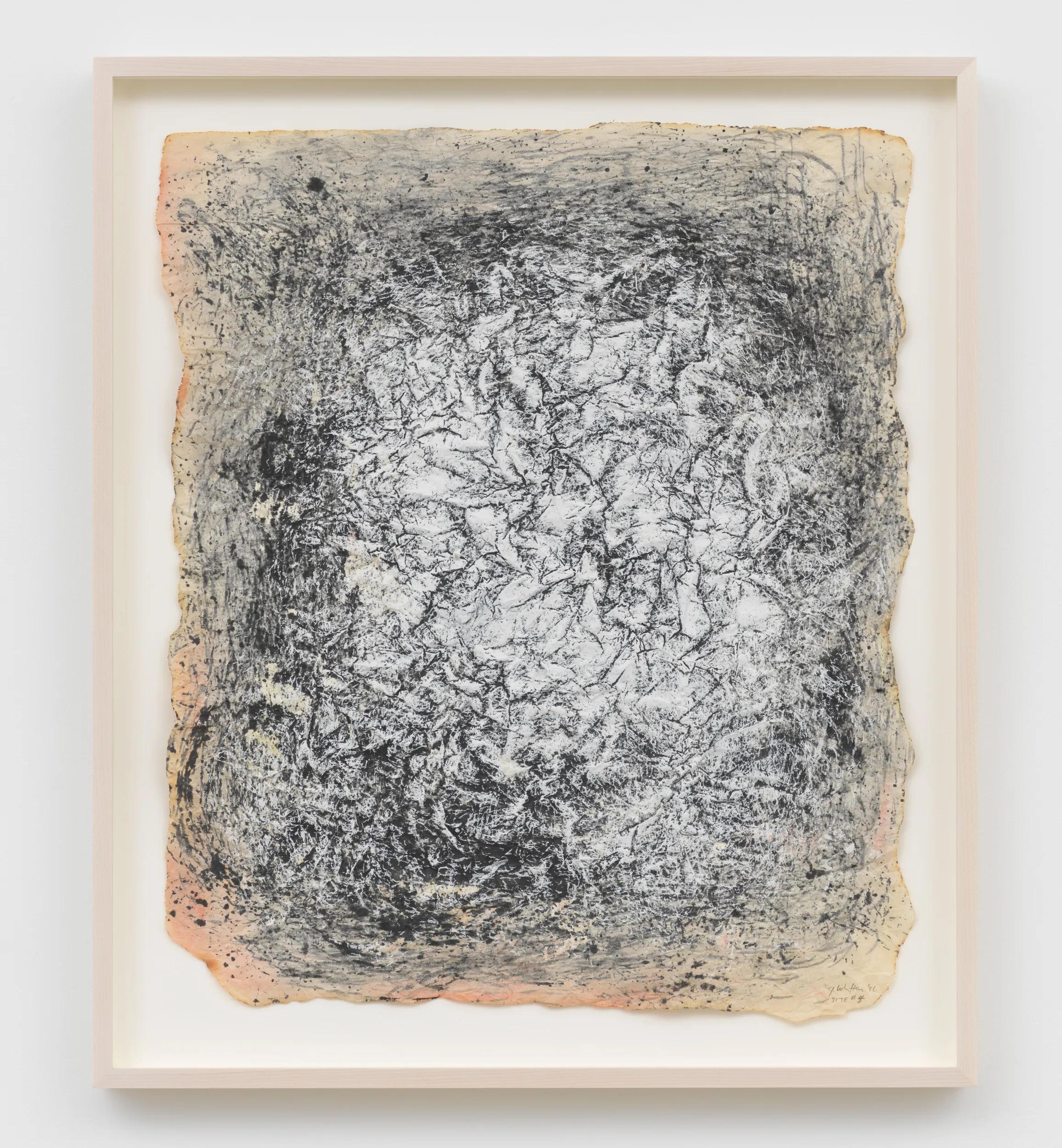
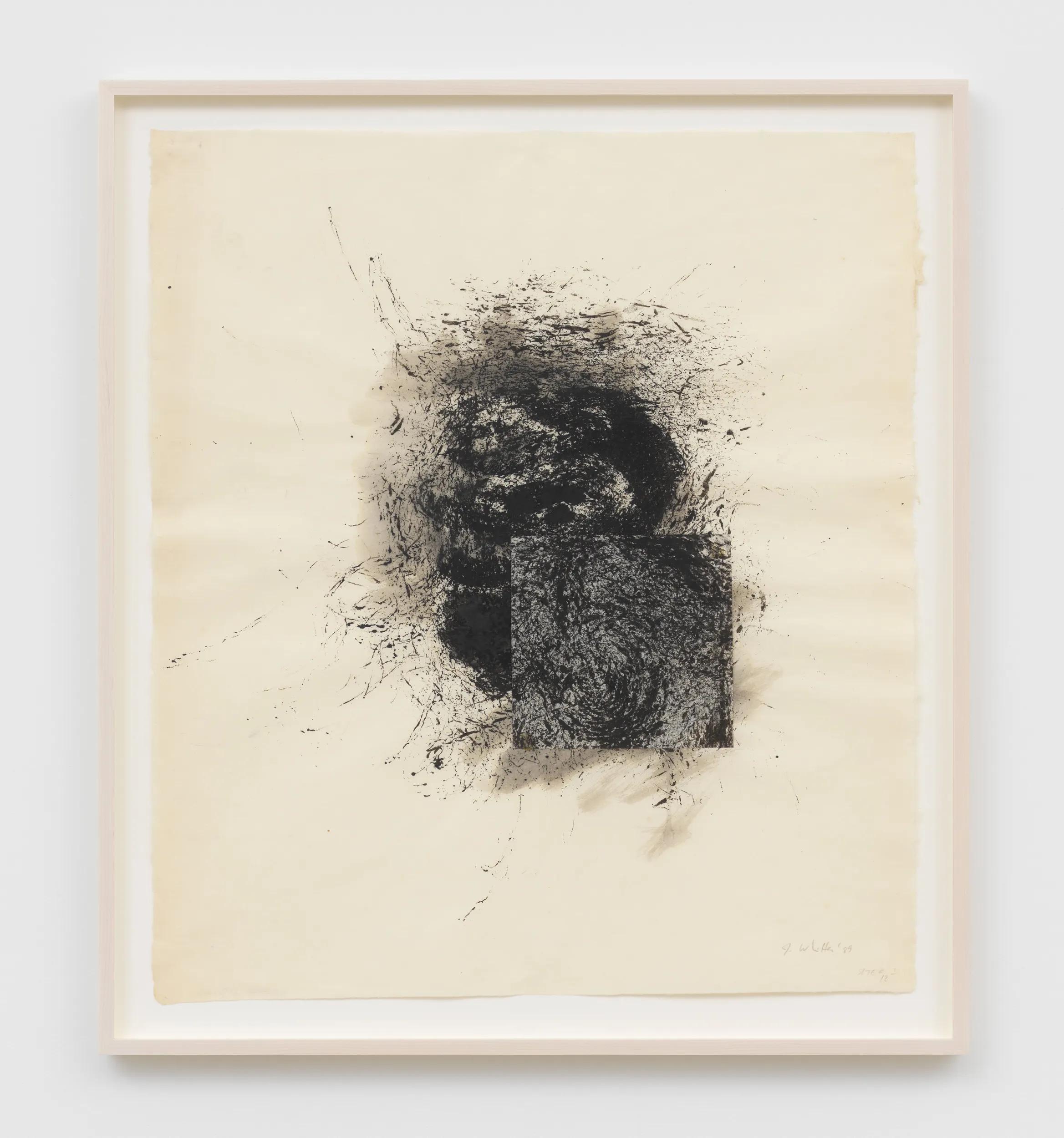
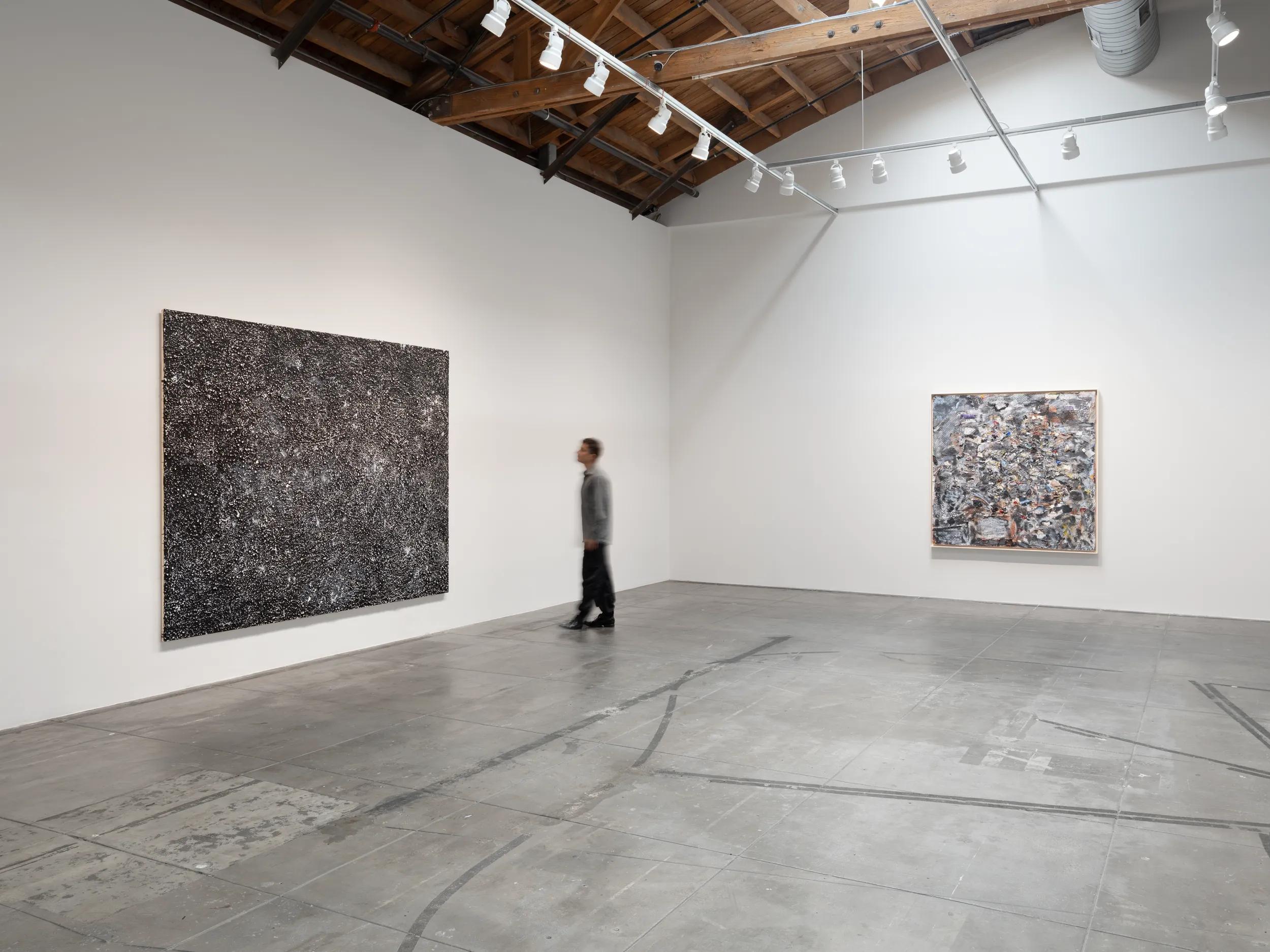
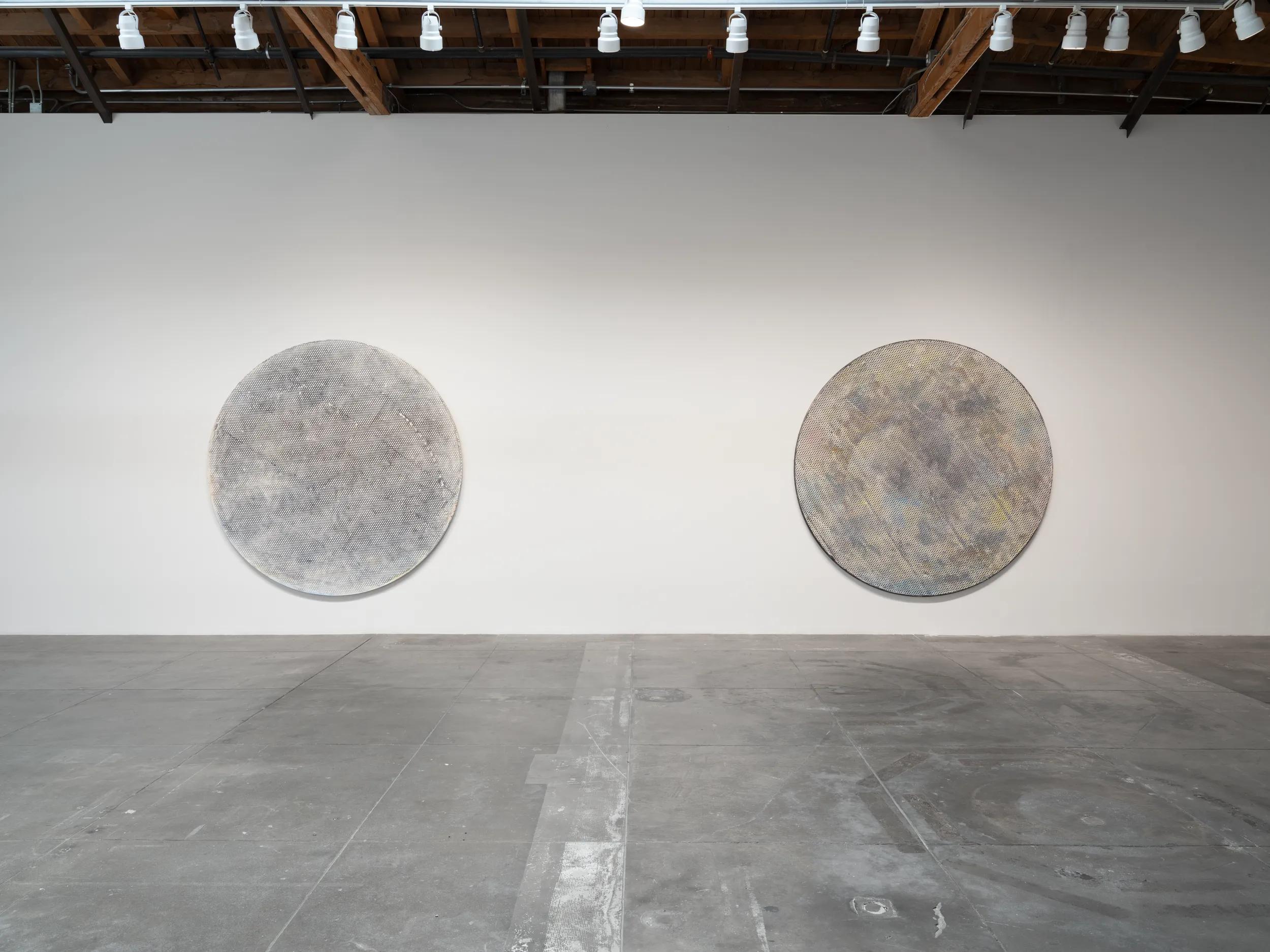
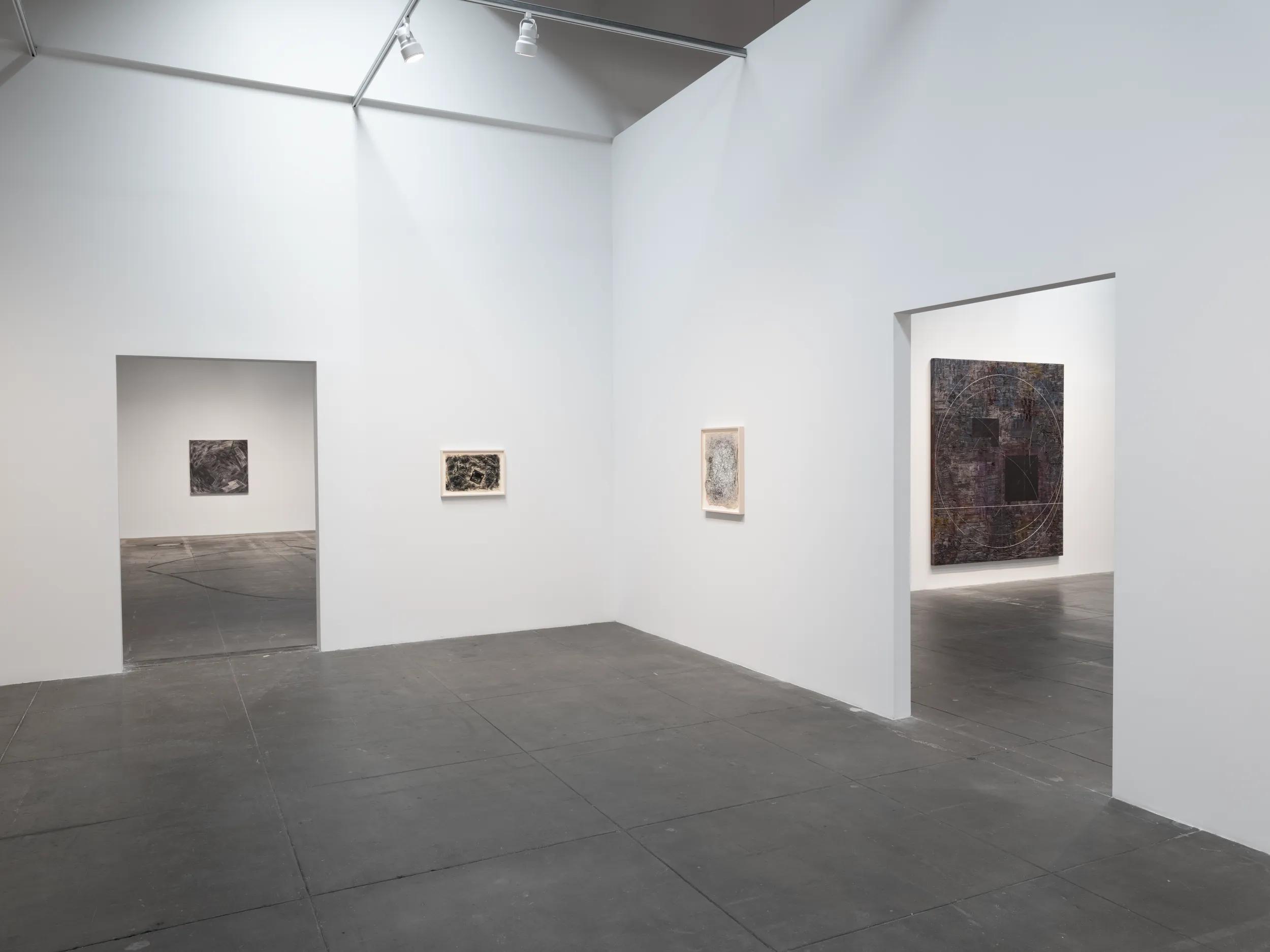
Press ReleaseFollowing the late artist’s critically acclaimed 2025 retrospective at The Museum of Modern Art, New York, we're pleased to present ‘The Numinous,’ an exhibition of Jack Whitten’s paintings and works on paper from the 1980s, at our Downtown Los Angeles gallery. The exhibition focuses on a pivotal and still under-examined period in Whitten’s six-decade career, where technical innovation and spiritual inquiry came together with new force.
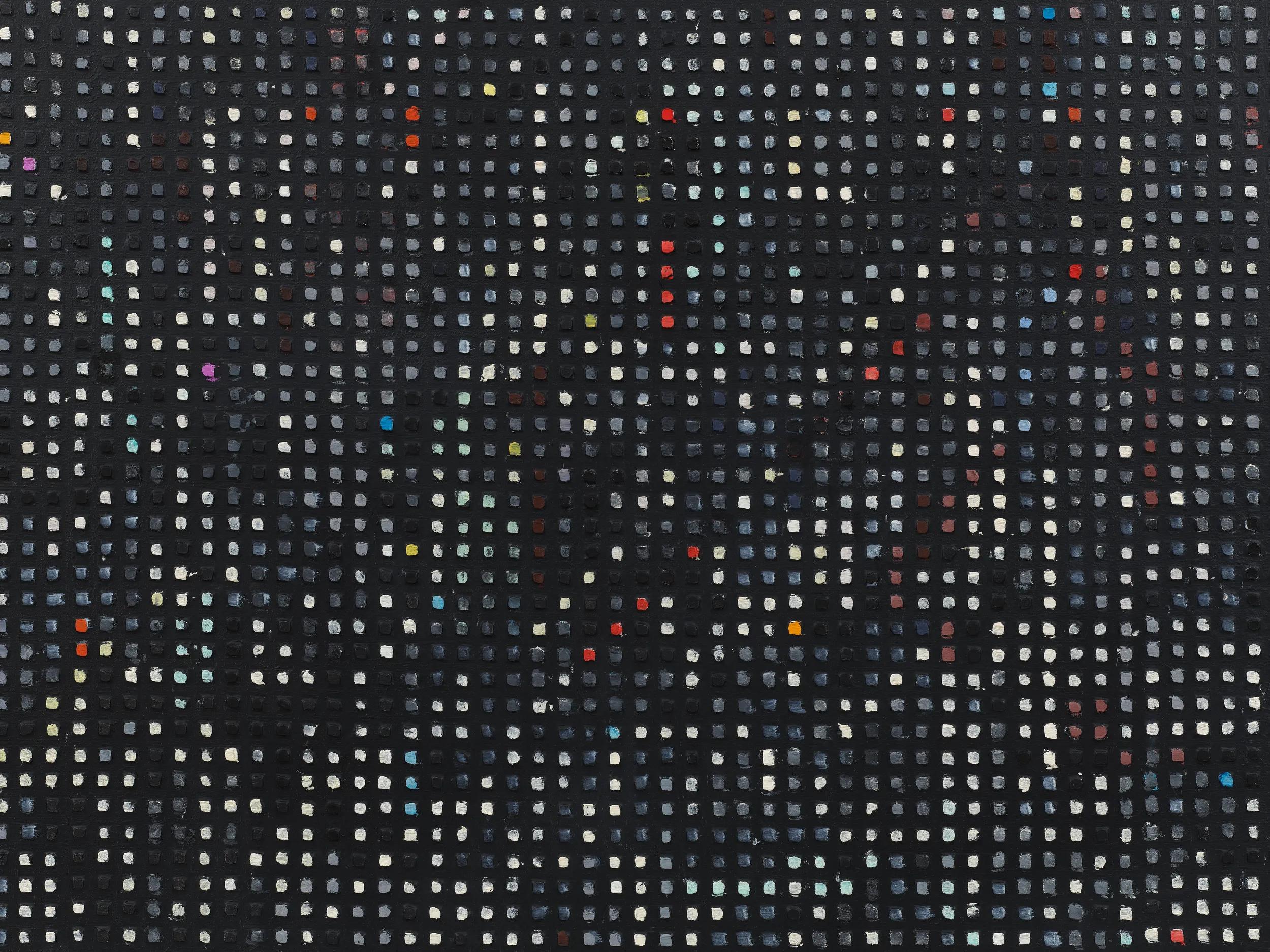
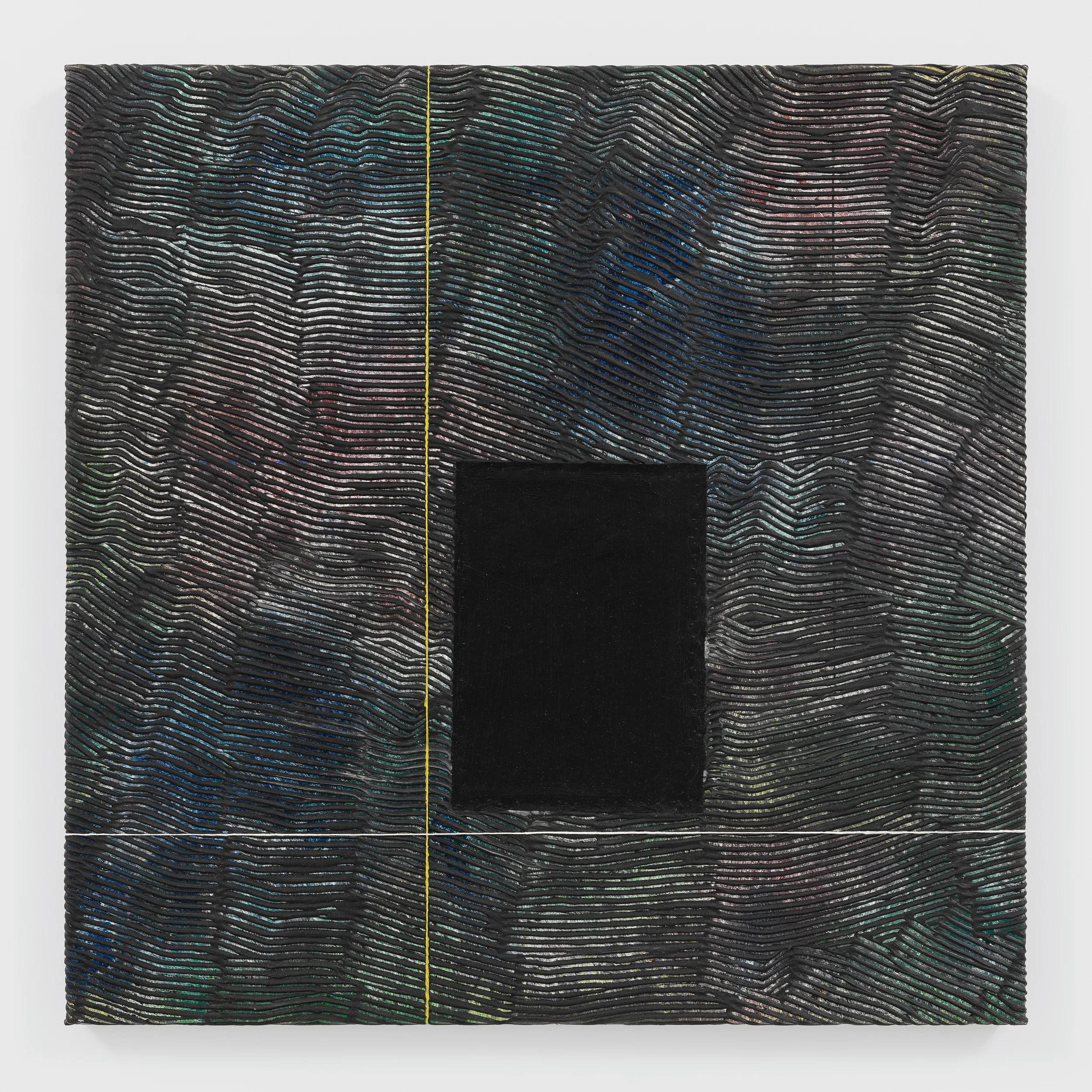
After a 1980 house fire forced an extended pause in his practice, Whitten returned with renewed urgency. Testing and pushing acrylic paint to new effects, he began to treat the medium as a dense, malleable material—something that could be cut, layered and collaged like ‘a skin.’ Another turning point came in 1983, when The Studio Museum in Harlem presented a survey of Whitten’s work from 1970 – 1980, organized by longtime supporter Henry Geldzahler. By then, the question for the artist was no longer how to build a new language of painting, but what that language could convey. The advanced imaging technologies of the era—cathode-ray scanning, radar, electron microscopy—offered Whitten new models for seeing and transmitting information. He began to imagine painting as a form of transmission: a way to channel the essence of a person, spirit or place through coded, repeatable units.
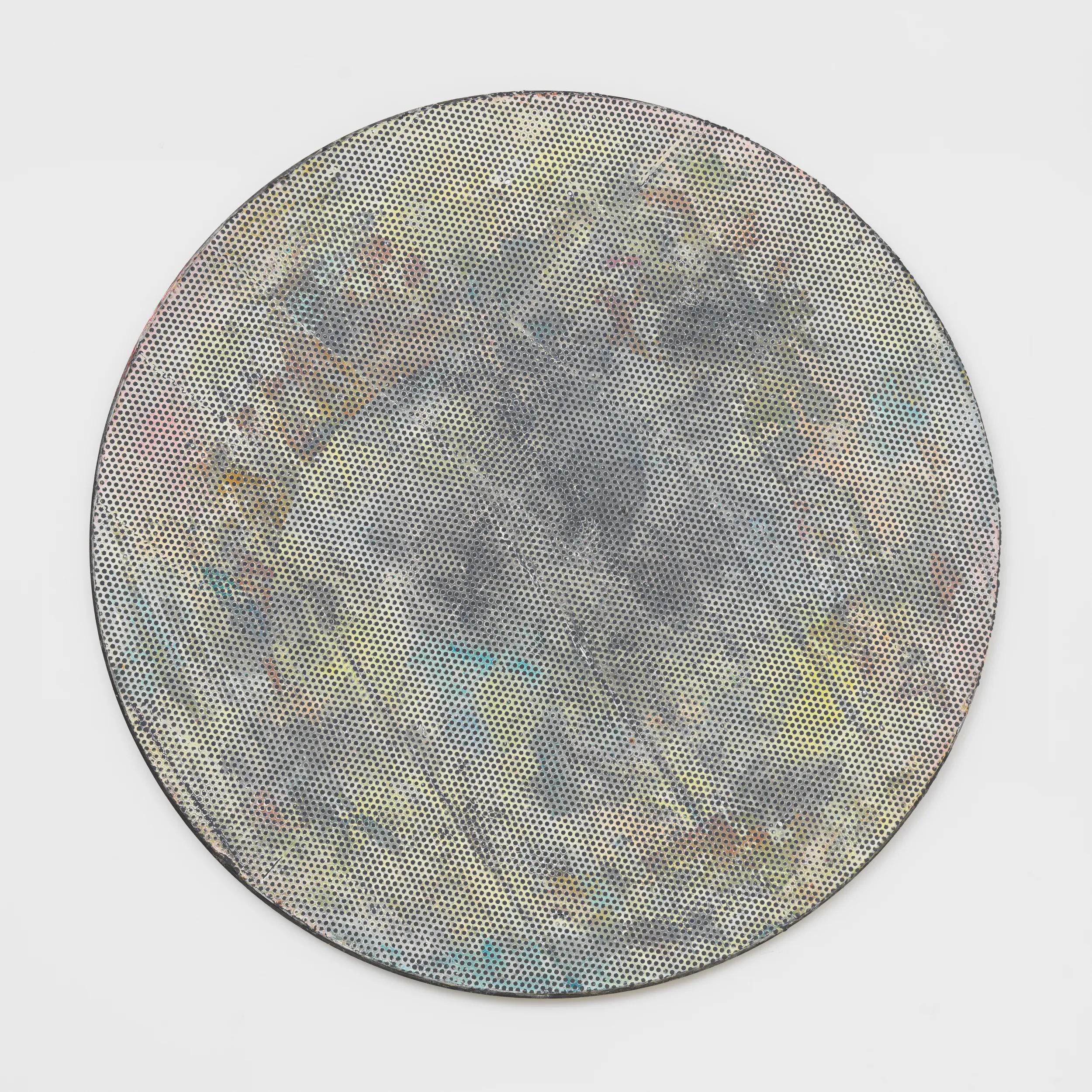
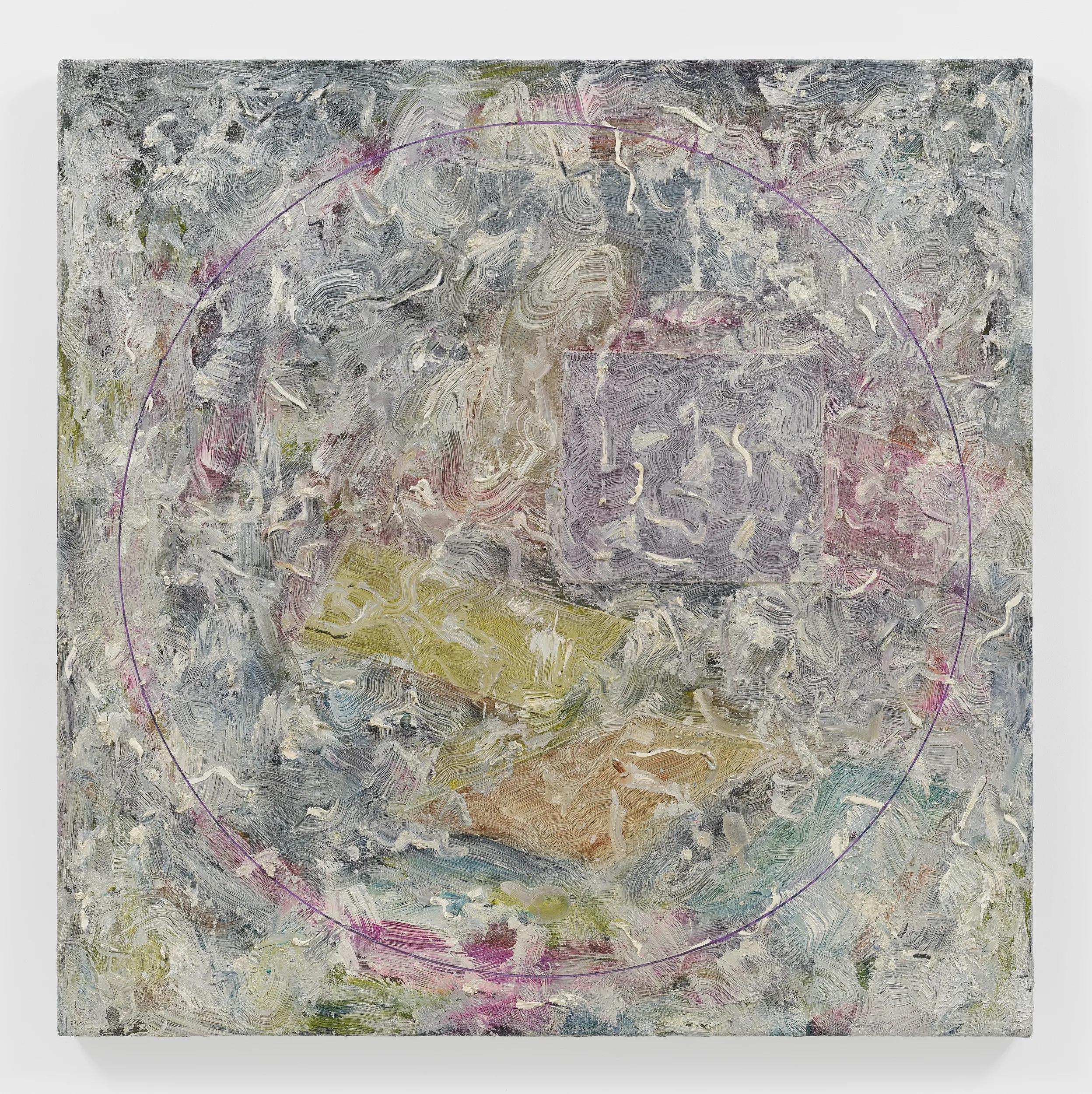
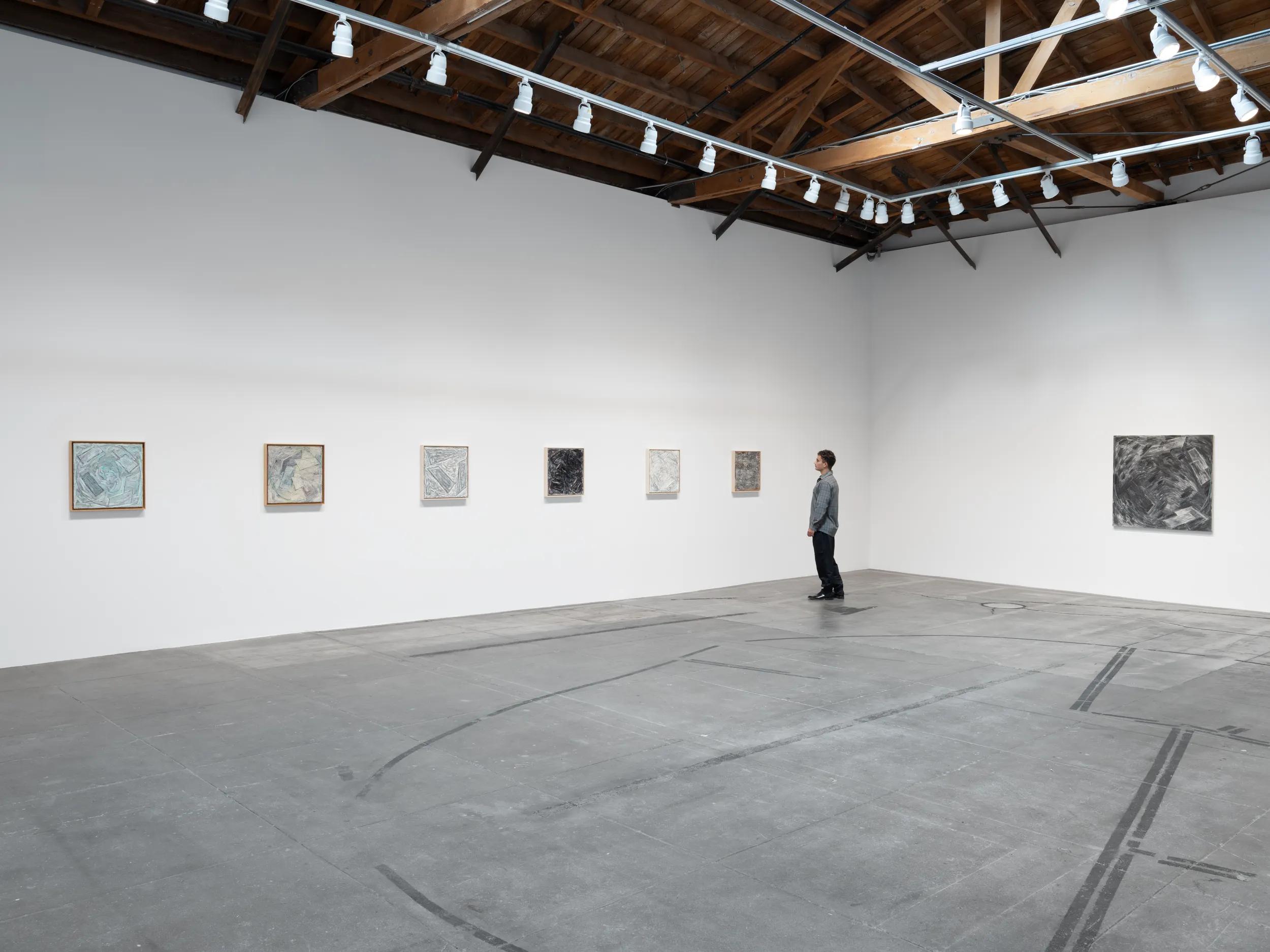
These ideas took shape in the Soulspace paintings and circular reliefs, begun in 1983. After more than a decade of minimizing the artist’s hand and working with canvases laid flat on the studio floor, Whitten reintroduced gestural brushwork and returned to working upright. He used self-designed tools to incise arcs, lines and concentric circles into thick acrylic planes. Their rough, heavily worked surfaces evoke celestial navigation while alluding to the artist’s own constellation of friends, family and influences.
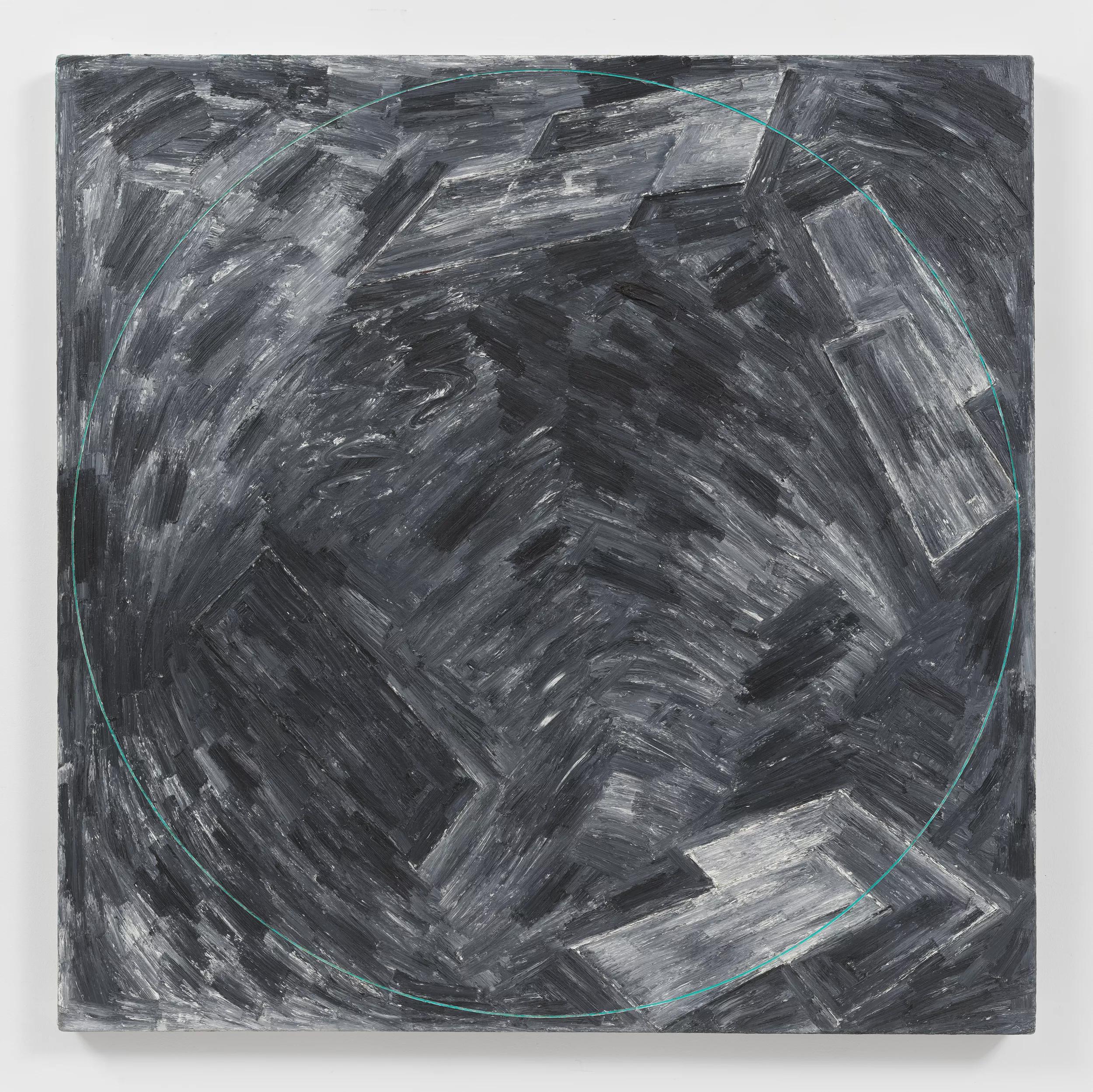
The pursuit of form is a marvelous, adventurous and exciting journey. I have no need of a destination.
Jack Whitten
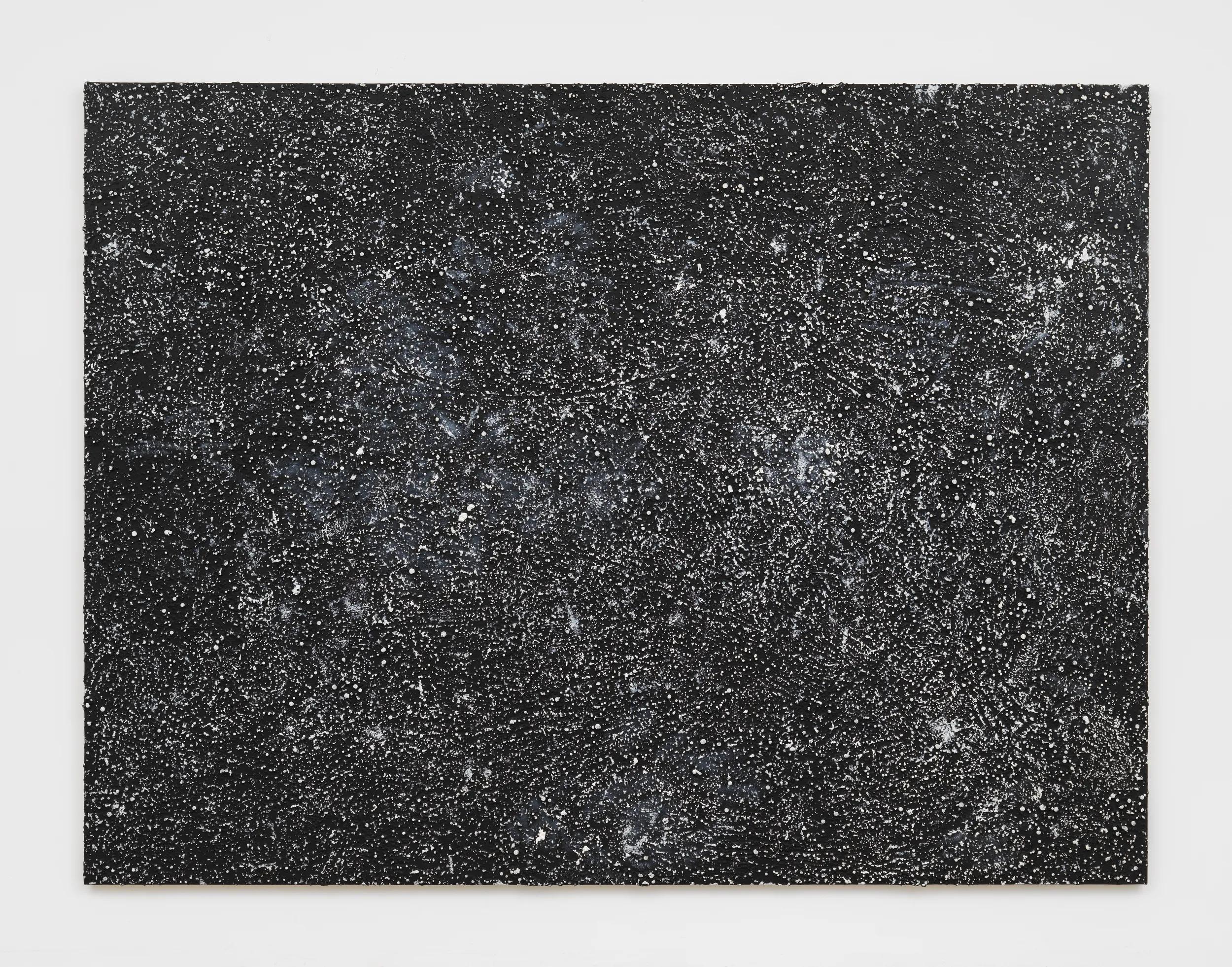
© 2026 Jack Whitten Estate / Artists Rights Society (ARS), New York
A Memorial To The Challenger Crew
1986
Acrylic and polystyrene on canvas
224.8 x 297.2 cm / 88 1/2 x 117 inches
© 2026 Jack Whitten Estate / Artists Rights Society (ARS), New York
Photo: Object Studies
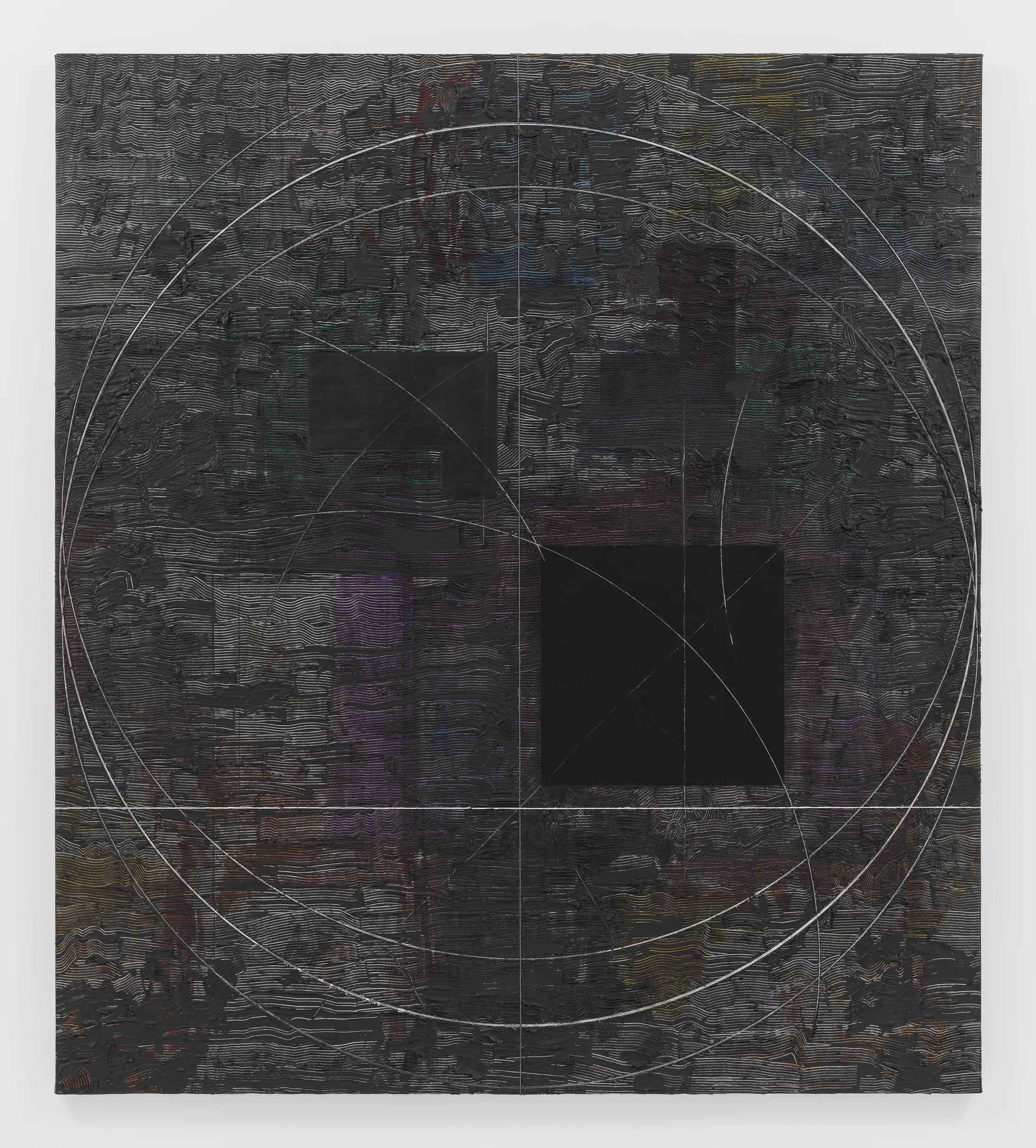
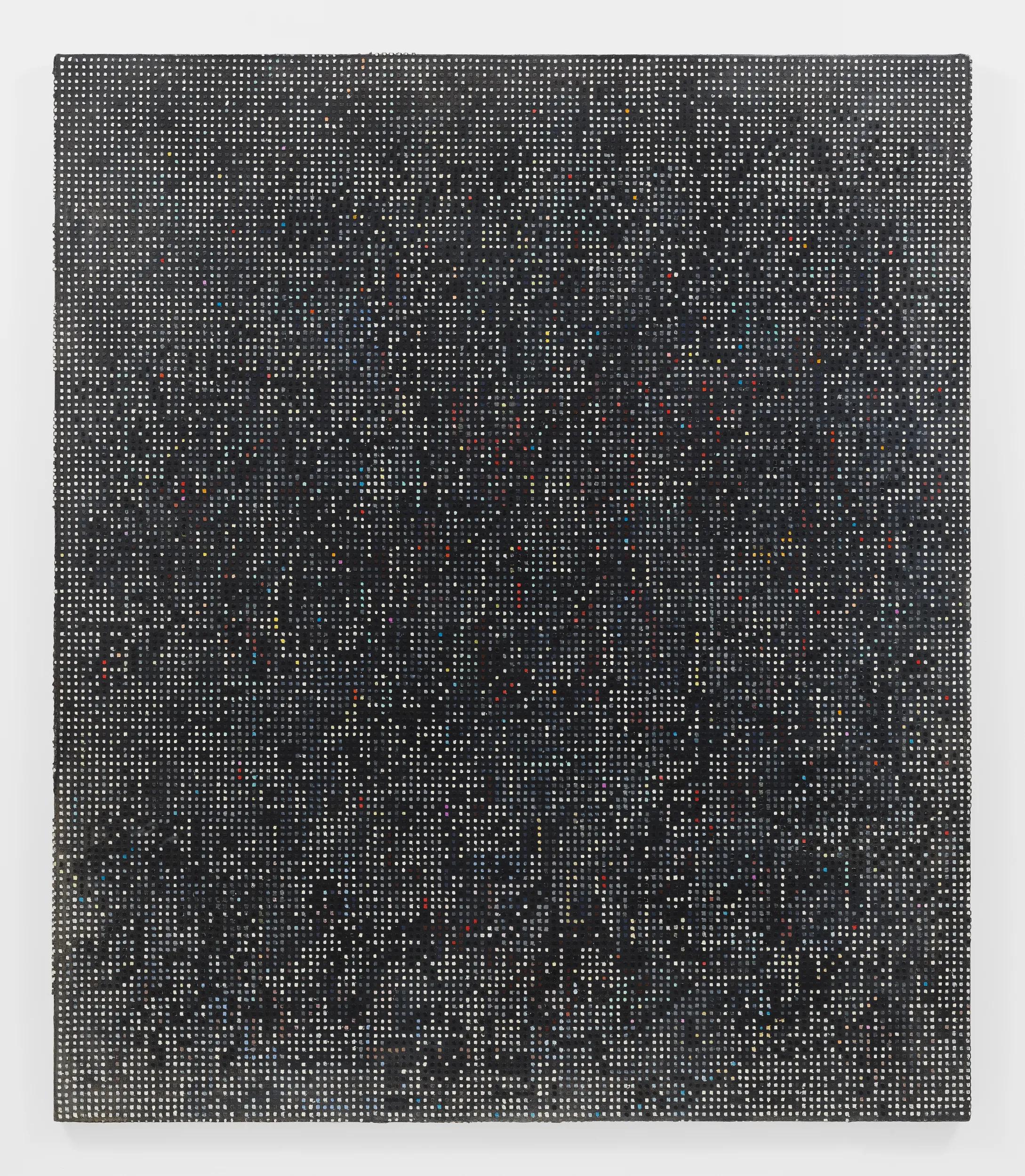
Installation Views
1 / 3
Related Content
About the Artist
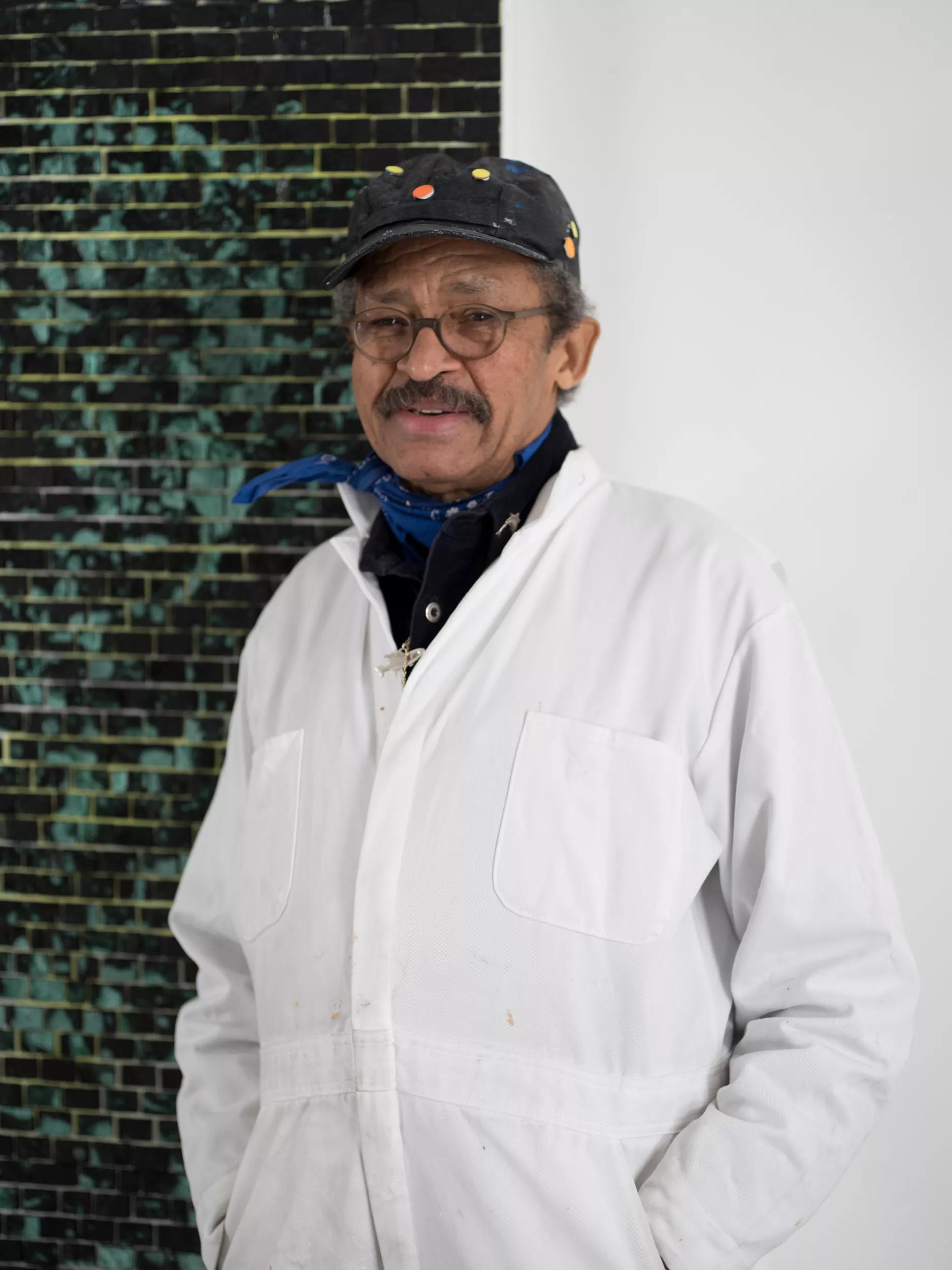
Jack Whitten
Born in Bessemer, Alabama in 1939, Jack Whitten is celebrated for his innovative processes of applying paint to the surface of his canvases and transfiguring their material terrains. Although Whitten initially aligned with the New York circle of abstract expressionists active in the 1960s, his work gradually distanced from the movement's aesthetic philosophy and formal concerns, focusing more intensely on the experimental aspects of process and technique that came to define his practice.
The subtle visual tempos and formal techniques embedded in Whitten's work speak to the varied contexts of his early life. After a brief period studying medicine at the Tuskegee Institute in Alabama in the late 1950s, Whitten pivoted his attentions to art, first attending the Southern University in Baton Rouge before moving to New York and enrolling at The Cooper Union for the Advancement of Science and Art in 1960, where he completed the institution's five-year certificate program.
In the 1970s, Whitten's experiments with the materiality of paint reached a climax—removing a thick slab of acrylic paint from its support, he realized that the medium could be coaxed into the form of an independent object. Whitten used this mode of experimentation to challenge pre-existing notions of dimensionality in painting, repeatedly layering slices of acrylic ribbon in uneven fields of wet paint to mimic the application of mosaic tesserae to wet masonry. Over the course of a six-decade career, Whitten's work bridged rhythms of gestural abstraction and process art, arriving at a nuanced language of painting, which hovers between mechanical automation and intensely personal expression.
Current Exhibitions



1 / 12