
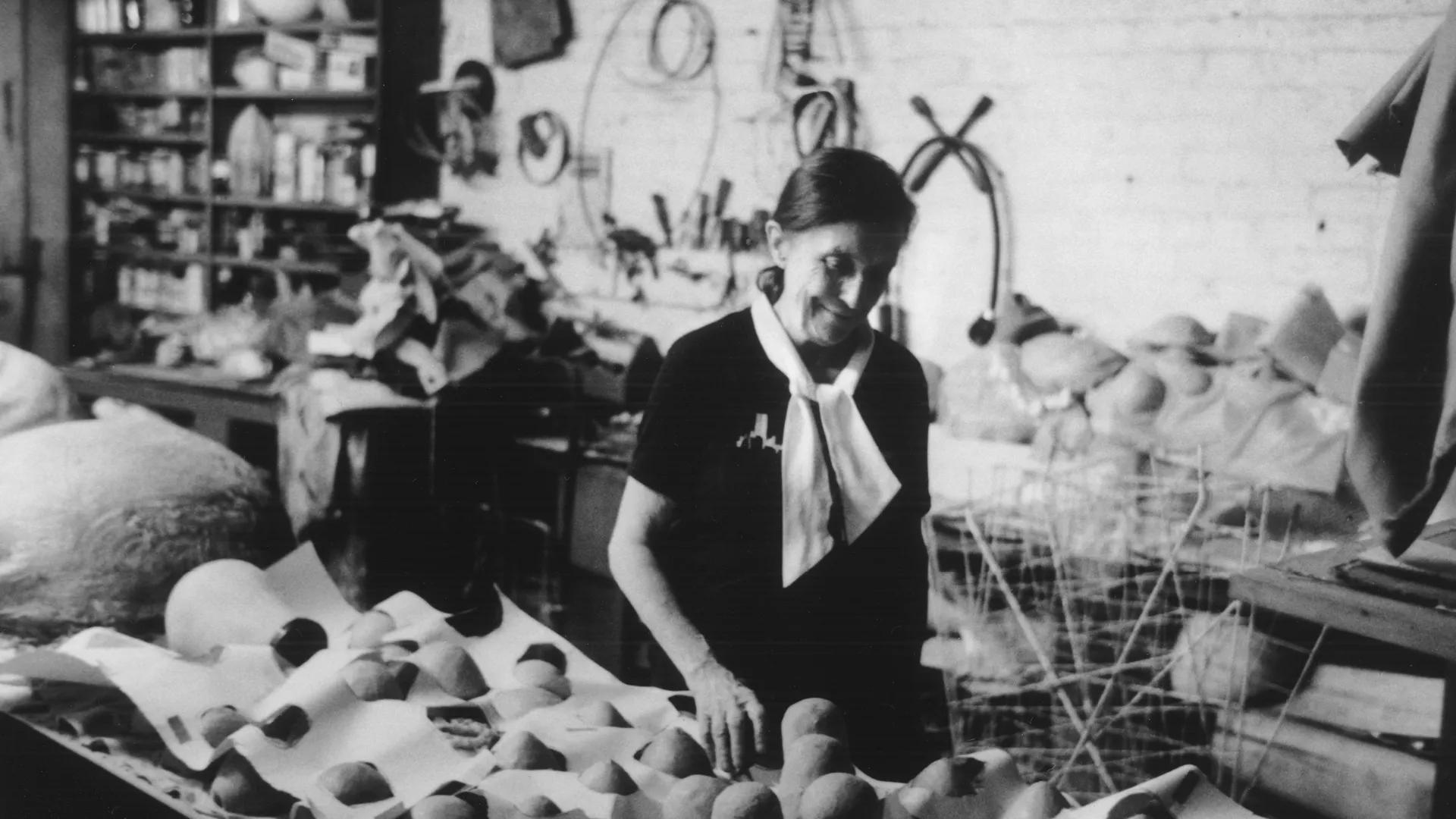
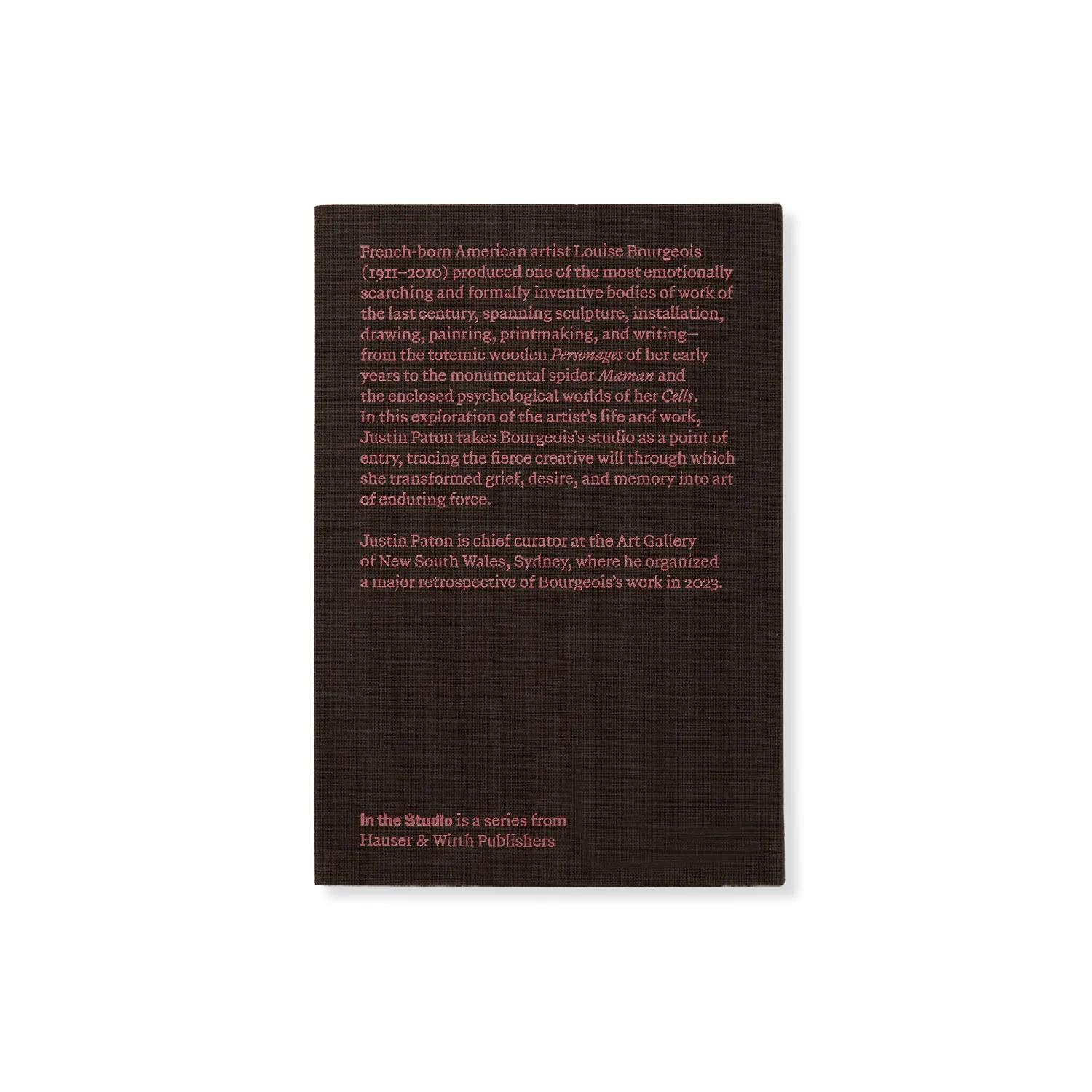
Counted among the most significant figures of contemporary art history, French-American artist Louise Bourgeois (1911 – 2010) produced a complex body of work that explored the full range of human experience. Curator Justin Paton charts the trajectory of Bourgeois’s life and seventy-year career, using the places and processes of her artistic practice to illuminate the complex psychological mechanisms behind her unique visual vocabulary.

1 / 7
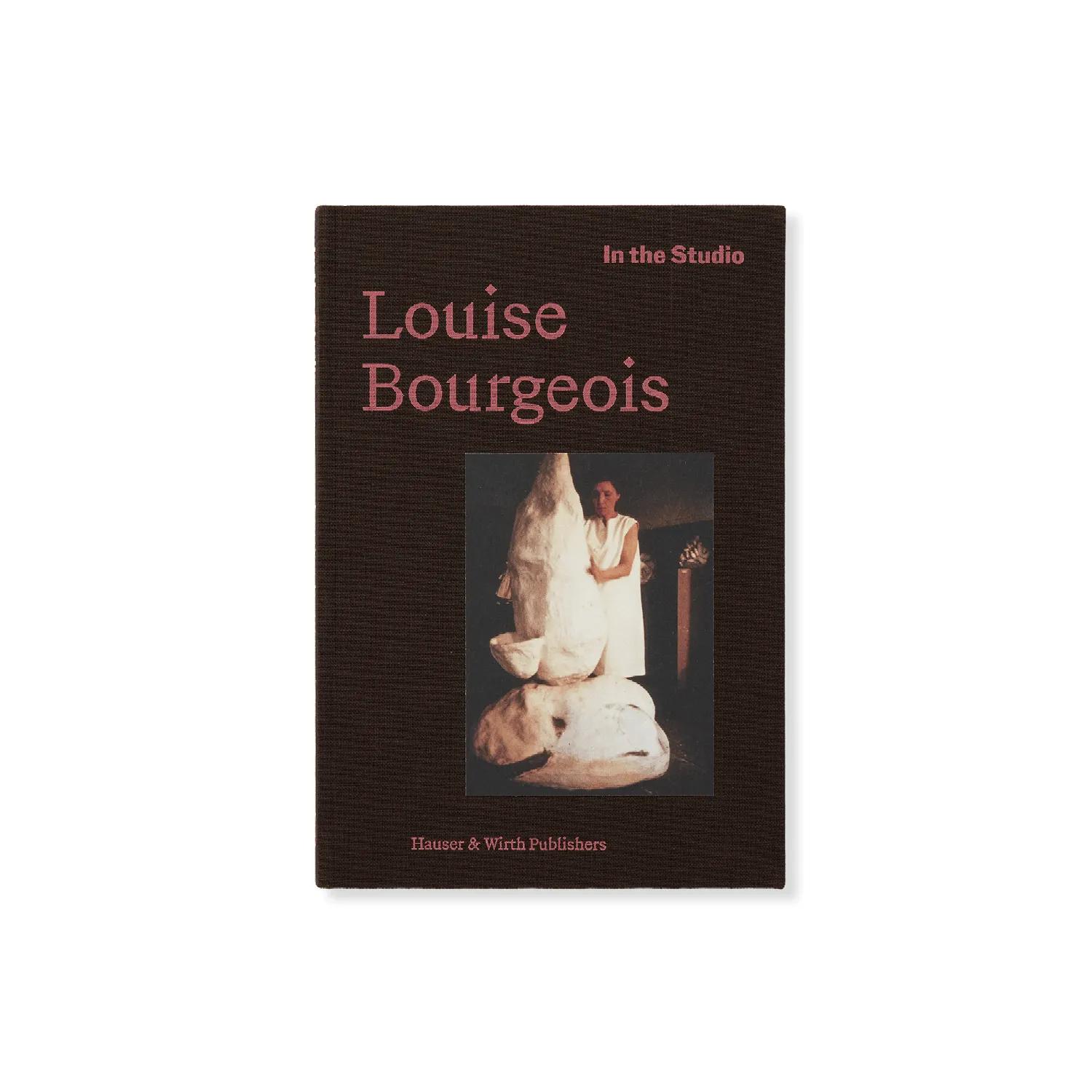
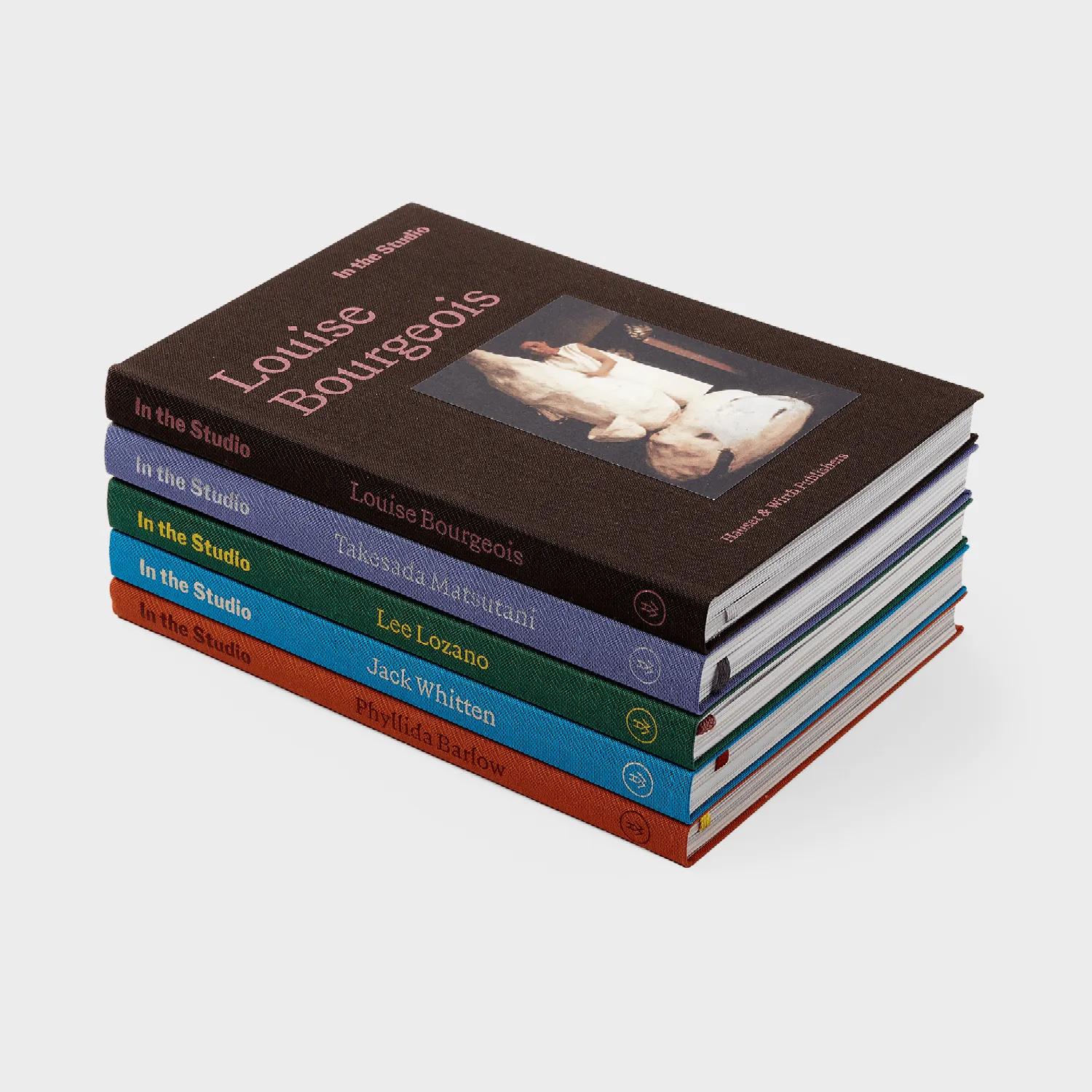
In the Studio: Louise Bourgeois
- October 2026 £18.99 / $21.99 / €20 / CHF 18 / HKD 180 A fascinating introduction to Louise Bourgeois’s influential practice reveals how her studio functioned as a site of creative transformation and emotional catharsis.
“You can not arrest the present. You just have to abandon every day your past. And accept it. And if you can’t accept it, then you have to do sculpture!”
Louise Bourgeois
In the Studio
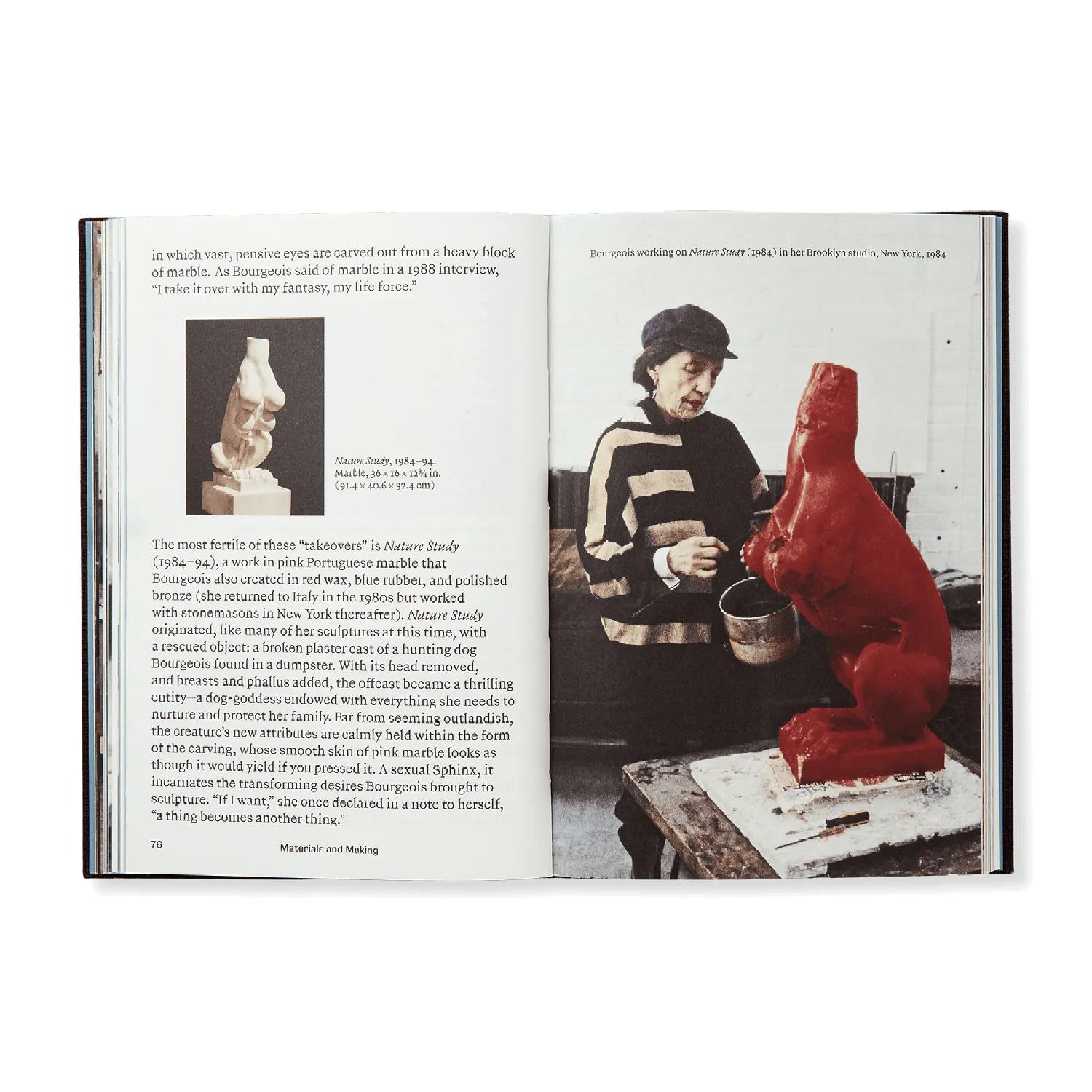
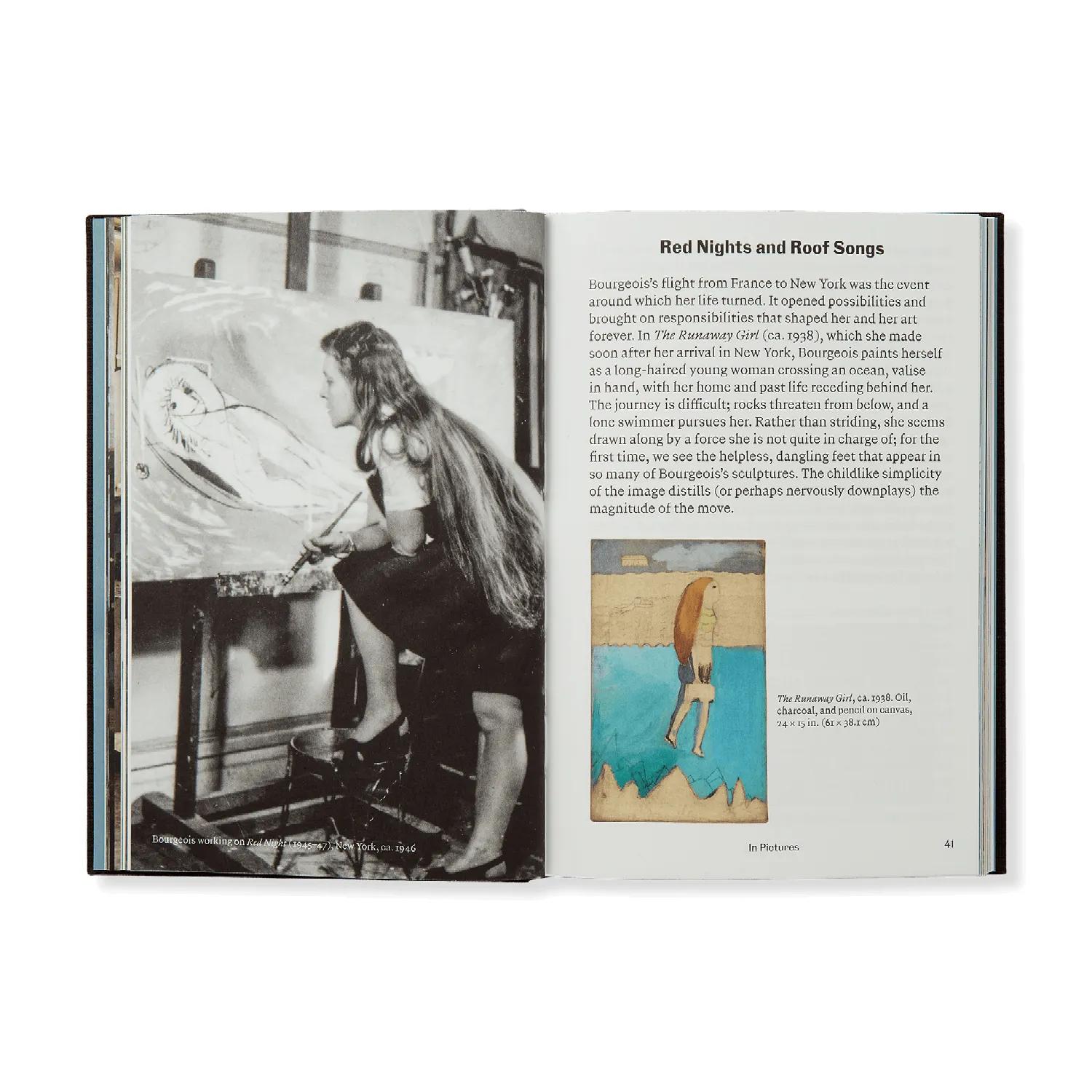
Explore a new series from Hauser & Wirth Publishers, gives readers a behind-the-scenes view of artists at work. Each book focuses on a major figure of twentieth- or twenty-first-century art offering an introduction to their influences, materials and techniques. Written by leading scholars and critics and generously illustrated, In the Studio titles are the perfect companion for art lovers and newcomers alike.
About the artist
Born in France in 1911, and working in America from 1938 until her death in 2010, Louise Bourgeois is recognized as one of the most important and influential artists of our time. For over seven decades, Bourgeois’s creative process was fueled by an introspective reality, often rooted in cathartic re-visitations of early childhood trauma and frank examinations of female sexuality. Articulated by recurrent motifs (including body parts, houses and spiders), personal symbolism and psychological release, the conceptual and stylistic complexity of Bourgeois’s oeuvre—employing a variety of genres, media and materials—plays upon the powers of association, memory, fantasy, and fear.
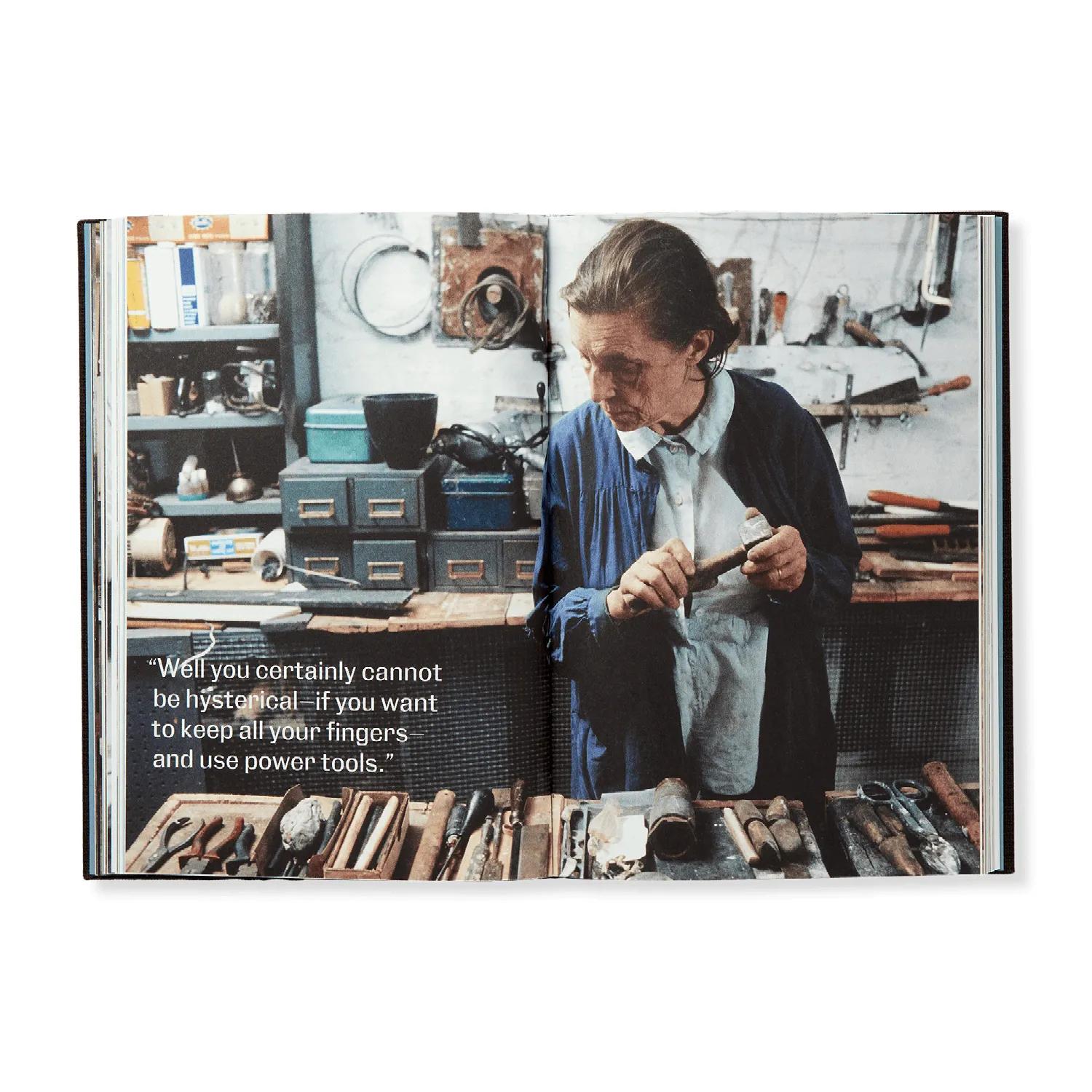
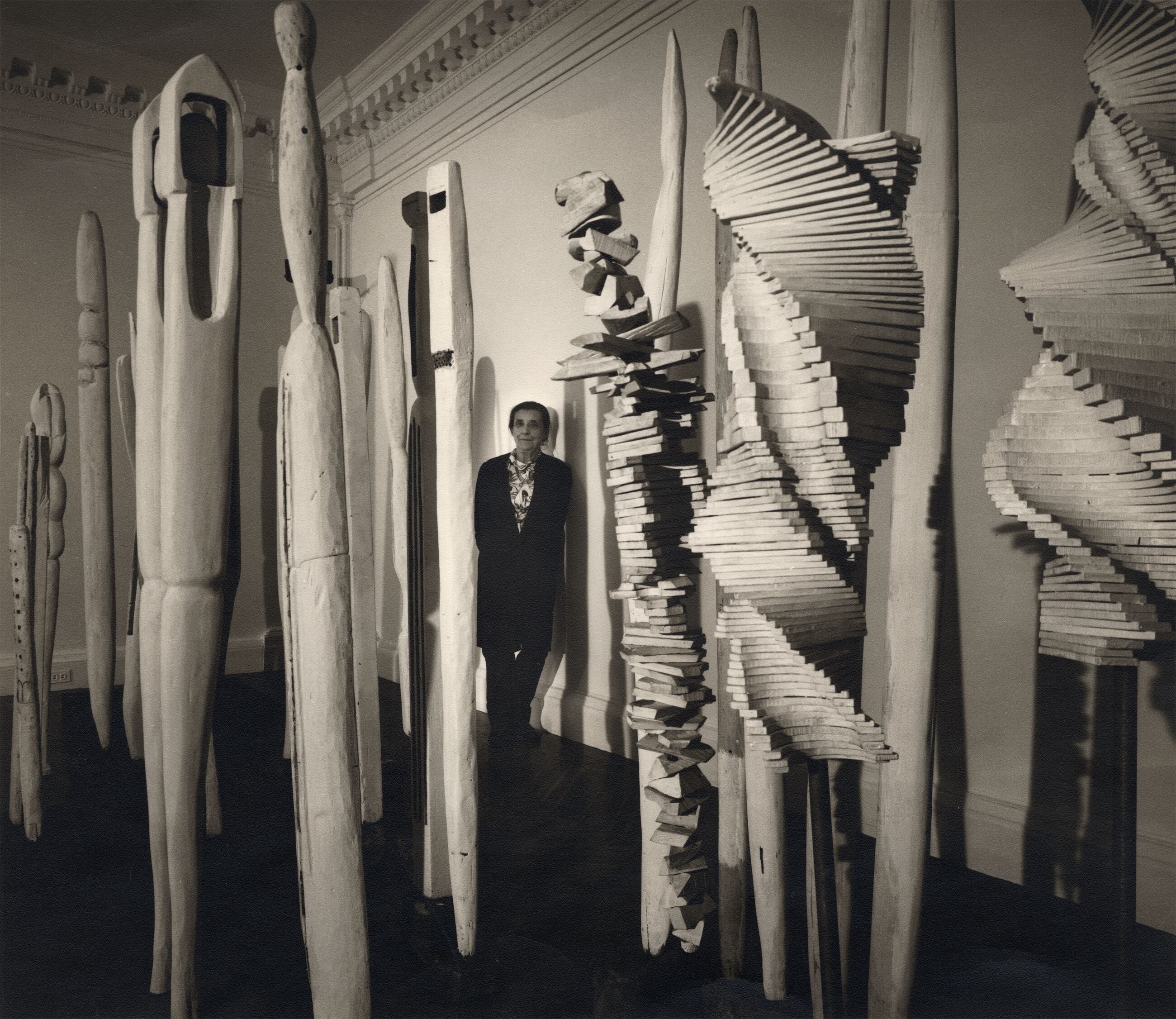
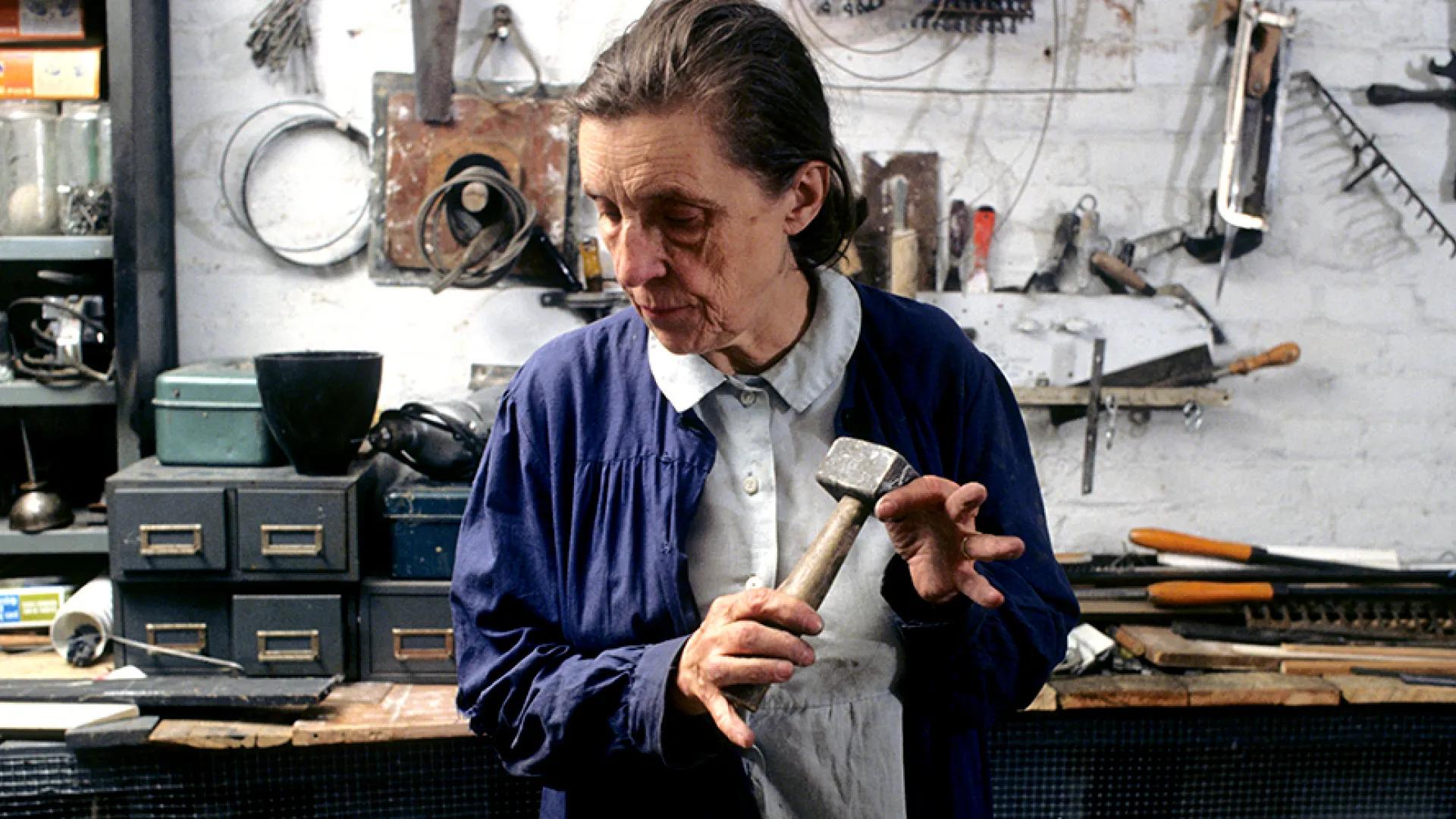
Louise Bourgeois with elements of Confrontation (1978) in her home studio, New York, 1982. ©️ 2026 The Easton Foundation / Artists Rights Society, New York. Photo: Inge Morath; Book Photography ‘In the Studio: Louise Bourgeois’ (2026) Courtesy Hauser & Wirth Publishers; Louise Bourgeois in her exhibition at Xavier Fourcade Gallery, New York, 1979. ©️ 2026 The Easton Foundation / Artists Rights Society, New York. Photo: Eeva Inkeri; Quote: Louise Bourgeois, Album (1994), in Bourgeois, Destruction of the Father / Reconstruction of the Father: Writings and Interviews, 1923–1997, ed. Marie-Laure Bernadac and Hans Ulrich Obrist (London: Violette Editions, 1998), p. 285; Louise Bourgeois in her home studio, New York, 1974. ©️ 2026 The Easton Foundation / Artists Rights Society, New York. Photo: Mark Setteducati